
Labrador Retrievers are undeniably one of the most beloved dog breeds worldwide, celebrated for their friendly demeanor, remarkable intelligence, and unwavering loyalty. Their immense popularity often prompts prospective owners to thoroughly research every aspect of their care and compatibility, including a frequently asked question: are Labrador Retrievers hypoallergenic? Many people mistakenly believe that their short, dense coat might make them a suitable choice for individuals prone to allergic reactions. However, this common assumption often leads to significant disappointment for allergy sufferers who dream of welcoming a Lab into their home.
Unpacking the Myth: Are Labrador Retrievers Really Hypoallergenic?
The straightforward answer to the question, is a Labrador Retriever hypoallergenic, is a definitive no. Despite their short fur, Labrador Retrievers are not considered a hypoallergenic breed. This widely held misconception stems from a fundamental misunderstanding of what truly causes pet allergies. Reputable organizations, such as the American Academy of Allergy, Asthma & Immunology (AAAAI), unequivocally state that no dog breed is 100% hypoallergenic. All dogs, regardless of their coat type or length, produce specific proteins that trigger allergic reactions in sensitive individuals. Therefore, while a Labrador’s short coat might *seem* less problematic than that of a long-haired breed, it does not exempt them from being a significant source of allergens.

Understanding Pet Allergies: It’s Not Just Hair
To truly grasp why Labrador Retrievers are not hypoallergenic, it’s crucial to understand the underlying mechanisms of pet allergies. The common belief that dog hair itself is the primary allergen is a significant misconception. While hair can certainly carry allergens, it is not the allergen itself. This distinction is vital for anyone dealing with Labrador Retriever allergies or generally interested in managing pet allergies effectively.
What Causes Allergic Reactions to Dogs?
Allergic reactions to dogs are primarily triggered by specific proteins produced by the animal. These microscopic proteins are found in a dog’s:
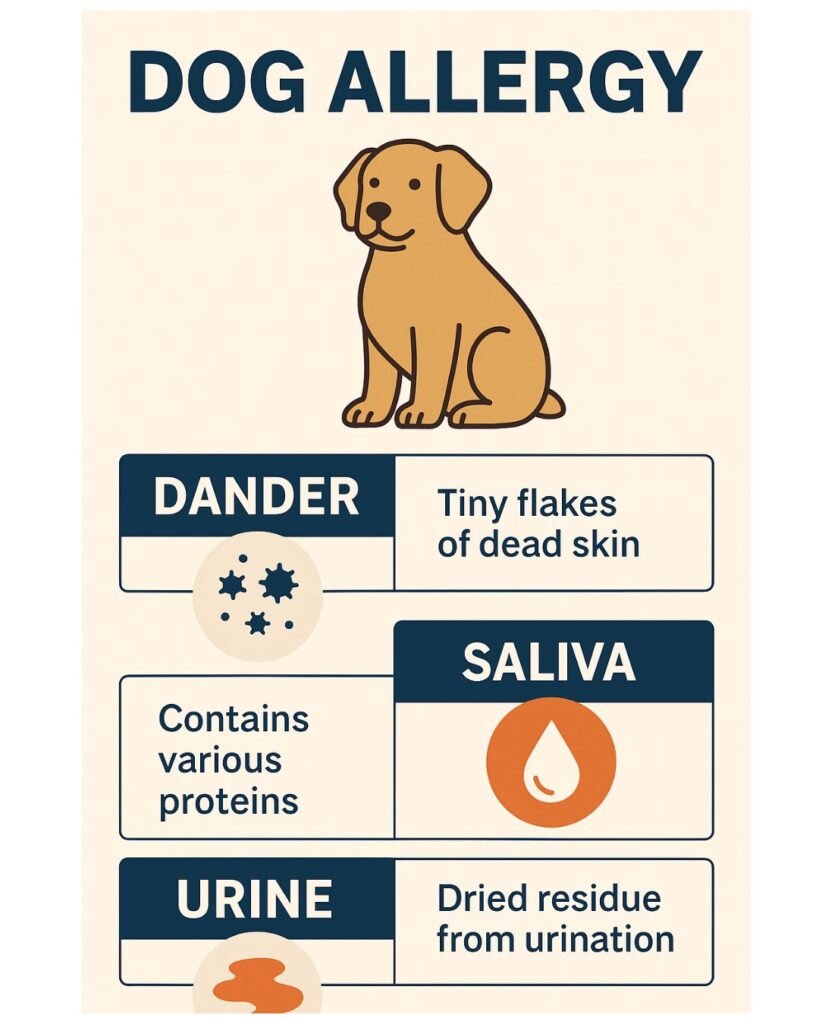
- Dander: Flakes of dead skin.
- Saliva: Especially when dried on fur after grooming.
- Urine: Can leave behind allergenic residues.
The most common and potent dog allergen is known as Can f 1, a protein that can provoke a range of symptoms in sensitive individuals, from sneezing and itchy eyes to more severe respiratory issues. It is these tiny protein particles, not the visible strands of hair, that are the true culprits behind allergic responses.
The Role of Dander, Saliva, and Urine
When dogs shed dander, lick their fur, or urinate, these allergenic proteins are released into the environment. Dander, being microscopic and lightweight, can easily become airborne, circulating in the air for extended periods. Once airborne, these particles can settle on various surfaces throughout the home, including carpets, furniture, bedding, and clothing. Dried saliva, which contains the same allergenic proteins, can also flake off a dog’s fur after grooming and become airborne. Similarly, urine can leave behind allergenic residues. The accumulation and dispersal of these microscopic dander and dried saliva particles, rather than just the visible hair, are what lead to persistent allergic reactions in a home with a dog.
Are Labrador Retrievers Truly Hypoallergenic? The Scientific Answer
Given the scientific understanding of pet allergies, we can definitively address the question: are Labrador Retrievers hypoallergenic? The answer, supported by veterinary science and allergy experts, remains a resounding no. While their endearing qualities make them wonderful companions, their biological makeup means they produce the same allergens as any other dog breed, making them a significant challenge for allergy sufferers.

Labrador Coat Type and Shedding Habits
Labrador Retrievers are known for their distinctive dense, double coat, which is water-resistant and provides excellent insulation. This coat, while short, sheds moderately year-round and often more heavily during seasonal changes, particularly in spring and fall. The American Kennel Club (AKC) acknowledges their shedding, which is a natural process for the breed. Each shed hair carries with it microscopic dander and dried saliva, effectively dispersing these allergenic proteins throughout the home environment. The short length of their hair does not prevent this dispersal; in fact, shorter, stiffer hairs can sometimes embed more easily into fabrics, making them harder to remove.
The Production of Allergens in Labs
Like all dog breeds, Labrador Retrievers produce allergenic proteins (such as Can f 1) in their skin, saliva, and urine. These proteins are an inherent part of their biology, not something that can be bred out. Their shedding, even with short hair, acts as an efficient mechanism for spreading these allergens. As dander flakes off and saliva dries on their fur, these particles become airborne and settle on surfaces. Consequently, homes with Labradors tend to have a significant presence of dog allergens, making them generally unsuitable for individuals with moderate to severe Labrador Retriever allergies. The notion that is a Labrador Retriever hypoallergenic is simply not supported by the science of allergen production.
Why the Misconception? Debunking the Myth
The persistent belief that are Labrador Retrievers hypoallergenic is a common and understandable misconception. It often arises from a lack of detailed information about the true causes of pet allergies and a tendency to associate allergy triggers solely with visible hair. Debunking this myth is crucial for prospective dog owners to make informed decisions and avoid potential health issues.
Short Hair vs. Hypoallergenic Qualities
One of the primary reasons for this misconception is the intuitive, yet incorrect, link between short hair and hypoallergenic qualities. Many people assume that because Labradors have short hair, they must shed less or produce fewer allergens. However, hair length is not a reliable indicator of allergen production or dispersal. A dog’s allergen production is an internal biological process, independent of its coat length or the volume of hair it sheds. While breeds with continuously growing hair (like Poodles) might trap more dander within their coats, a short-haired dog like a Labrador still produces and disperses dander effectively, especially given their double coat and seasonal shedding.
Common Misunderstandings About Dog Allergens
Beyond the short hair fallacy, there are several other common misunderstandings about dog allergens:
- Many people mistakenly believe that only long-haired dogs cause allergies.
- Another common error is assuming that shedding itself is the sole problem.
- This often leads to the erroneous conclusion that a dog with a short coat and moderate shedding, like a Labrador, would be safe for allergy sufferers.
The truth, however, is that the microscopic dander and proteins—which are present in all dogs regardless of hair type, length, or shedding intensity—are the primary culprits behind allergic reactions. These tiny particles are invisible to the naked eye but are potent enough to trigger significant symptoms. Understanding this distinction is key to dispelling the myth surrounding Labrador Retriever allergies and the idea that any dog is truly hypoallergenic.
Managing Allergies When Living with a Labrador Retriever
While Labrador Retrievers are not hypoallergenic, individuals with mild pet allergies who are deeply committed to owning or already own a Lab can take proactive steps to mitigate allergen exposure. Managing pet allergies effectively requires a multi-faceted approach, combining rigorous cleaning, consistent grooming, and personal care. It’s important to note that these strategies aim to reduce, not eliminate, allergens, and may not be sufficient for those with moderate to severe Labrador Retriever allergies.

Strategies for Reducing Allergens in Your Home
Creating an allergen-reduced environment is paramount. The Asthma and Allergy Foundation of America (AAFA) recommends several key strategies:
- HEPA Filtration: Utilize high-efficiency particulate air (HEPA) filters in your vacuum cleaner and standalone air purifiers. HEPA air purifiers can significantly reduce airborne allergens.
- Frequent Vacuuming: Vacuum carpets and upholstered furniture frequently, ideally daily or every other day, using a HEPA-filtered vacuum cleaner.
- Regular Washing: Wash bedding, pet beds, and pet toys regularly in hot water (at least 130°F or 54°C) to kill dust mites and remove allergens.
- Designated Pet-Free Zones: Establish pet-free zones, especially bedrooms, to provide an allergen-reduced sanctuary for allergy sufferers. Keep the Labrador out of these areas at all times.
- Hard Surfaces: Opt for hard flooring (wood, tile, laminate) over carpets, and use washable blinds or curtains instead of heavy drapes, as these surfaces are easier to clean and harbor fewer allergens.
Grooming and Cleaning Routines for Allergy Sufferers
Consistent grooming of your Labrador and diligent cleaning routines are essential for minimizing allergen spread:
- Regular Bathing: Bathe your Labrador 1-2 times a week using a gentle, veterinarian-approved shampoo. This can significantly help reduce the amount of dander on their coat.
- Outdoor Brushing: Brush your dog outdoors daily to remove loose hair and dander before it can spread inside your home. If brushing indoors, use a HEPA air purifier in the room.
- Surface Cleaning: Regularly wipe down hard surfaces with a damp cloth or allergen-reducing sprays to remove settled dander.
- Hand Washing: Always wash your hands thoroughly with soap and water immediately after petting or interacting with your Labrador.
Personal Care and Medical Approaches
Beyond environmental and grooming strategies, personal care and medical intervention can provide additional relief:
- Consult an Allergist: For personalized medical management, consult an an allergist. They can confirm your specific allergies and recommend appropriate treatments.
- Medication: Over-the-counter or prescription antihistamines, nasal corticosteroids, and decongestants can help manage symptoms.
- Allergy Shots (Immunotherapy): For more severe or persistent allergies, an allergist might recommend immunotherapy, which involves a series of injections designed to build your tolerance to specific allergens over time.
- Eye Drops: Antihistamine eye drops can alleviate itchy, watery eyes.
Consistent adherence to these practices can make living with a Labrador more manageable for those with mild allergies, but it requires significant dedication.
Considering Other Breeds: Truly Low-Allergen Options
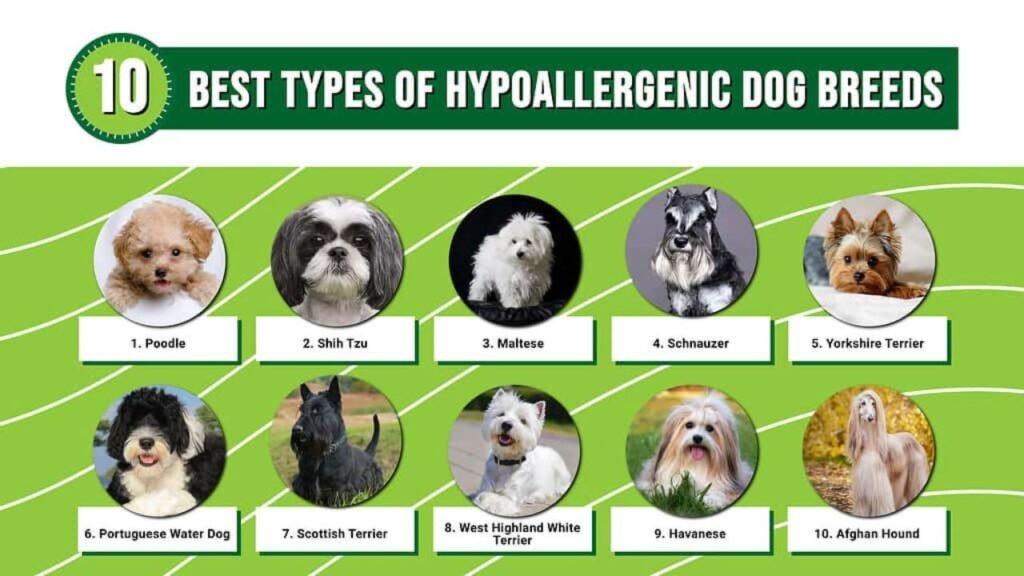
For individuals with moderate to severe pet allergies, or those seeking a dog with a naturally lower allergen footprint, exploring truly low-allergen breeds is often the most practical and comfortable solution. While no dog is 100% hypoallergenic, certain breeds are significantly better tolerated by allergy sufferers than others, especially when compared to breeds like the Labrador Retriever.
What to Look for in a Low-Allergen Dog
When searching for a dog that is less likely to trigger allergies, the key characteristics to look for are not necessarily related to hair length, but rather to shedding patterns and coat type. Breeds that are often better tolerated by allergy sufferers typically:
- Shed Less: This is crucial because less shedding means fewer dander-carrying hairs are released into the environment.
- Produce Less Dander: While all dogs produce dander, some breeds are thought to produce less, or their coat type helps contain it more effectively.
- Have Continuously Growing Hair: Many low-allergen breeds have hair that grows continuously, similar to human hair, rather than fur that sheds seasonally. This type of coat often traps more allergens within the hair itself, preventing them from becoming airborne. Regular grooming then removes these trapped allergens.
These traits collectively contribute to a lower dispersal of allergens into the home environment, making these breeds a more suitable choice for sensitive individuals.
Examples of Breeds Often Recommended for Allergy Sufferers
Several breeds are commonly cited as “low-allergen” or “hypoallergenic” due to their lower allergen dispersal and are often recommended for allergy sufferers. These breeds tend to shed less dander and hair, releasing fewer allergens into the environment compared to breeds like the Labrador Retriever:
- Poodles (Standard, Miniature, Toy): Their curly, non-shedding coat traps dander, making them excellent choices.
- Portuguese Water Dogs: Known for their single, wavy or curly coat that sheds minimally.
- Bichon Frise: These small dogs have a soft, curly double coat that sheds very little.
- Schnauzers (Miniature, Standard, Giant): Their wiry topcoat and soft undercoat shed minimally, especially with regular stripping or clipping.
- Maltese: With their long, silky, single coat, they shed very little hair or dander.
- Soft Coated Wheaten Terriers: Their silky, wavy coat sheds minimally.
- Basenjis: While short-haired, they are known for their meticulous self-grooming and very low dander production.
It is always advisable for prospective owners to spend time with a specific breed or even an individual dog before committing, to ensure compatibility with their allergies.
Conclusion: The Truth About Labs and Your Allergies
The journey to finding the perfect canine companion is filled with excitement, but for individuals with allergies, it also requires careful consideration and accurate information. The key takeaway from our discussion is unequivocal: Labrador Retrievers are not hypoallergenic. This beloved breed, like all dogs, produces the specific proteins in their dander, saliva, and urine that trigger allergic reactions in sensitive individuals. The misconception that are Labrador Retrievers hypoallergenic due to their short coat is a myth that can lead to significant challenges for allergy sufferers.
Key Takeaways and Final Advice
To reiterate, no dog breed is truly 100% hypoallergenic, as all dogs produce allergens. However, some breeds are significantly better tolerated by allergy sufferers than others. Here are the key takeaways and final advice:
- For those with mild Labrador Retriever allergies who are determined to live with one, diligent management strategies are essential, including rigorous home cleaning with HEPA filters, regular bathing and outdoor brushing of your Lab, and maintaining personal hygiene such as consistent hand washing.
- Consulting an allergist for personalized medical management, including antihistamines or immunotherapy, can also provide significant relief.
- For individuals with moderate to severe allergies, or those seeking a more comfortable and sustainable solution, considering truly low-allergen breeds is advisable. Breeds like Poodles, Portuguese Water Dogs, Bichon Frise, and Schnauzers are often better choices due to their minimal shedding and coat types that effectively trap dander.
- Ultimately, the most crucial piece of advice is to spend ample time with any specific breed or individual dog before making a commitment. This allows you to gauge your personal reaction and ensure that your chosen companion will bring joy, not discomfort, into your home.
Understanding the truth about Labs and your allergies empowers you to make an informed decision for a happy and healthy life with your furry friend.
Frequently Asked Questions
01. Are Labrador Retrievers considered hypoallergenic?
No, Labrador Retrievers are not considered a hypoallergenic breed. Despite their short, dense coat, they produce specific proteins in their dander, saliva, and urine that trigger allergic reactions in sensitive individuals, just like all other dog breeds.
02. What truly causes allergic reactions to dogs, if not just hair?
Allergic reactions to dogs are primarily caused by microscopic proteins found in a dog’s dander (flakes of dead skin), saliva (especially when dried on fur), and urine. These proteins, such as Can f 1, are the true culprits, not the dog hair itself, though hair can carry these allergens.
03. Do Labrador Retrievers shed a lot of dander, even with short hair?
Yes, Labrador Retrievers shed moderately year-round and more heavily during seasonal changes. Each shed hair carries microscopic dander and dried saliva, effectively dispersing these allergenic proteins throughout the home environment, making them a significant source of allergens.
04. Can someone with mild pet allergies still live comfortably with a Labrador?
For individuals with mild pet allergies, living with a Labrador may be possible with diligent management. This includes rigorous home cleaning with HEPA filters, regular bathing and outdoor brushing of the dog, maintaining personal hygiene, and potentially consulting an allergist for medical management.
05. What dog breeds are generally better for allergy sufferers than Labradors?
Breeds often recommended for allergy sufferers due to lower allergen dispersal include Poodles, Portuguese Water Dogs, Bichon Frise, Schnauzers, Maltese, Soft Coated Wheaten Terriers, and Basenjis. These breeds typically shed less and have coat types that trap dander more effectively.