
As cherished family members, Labrador Retrievers bring immense joy and companionship into our lives. However, like many purebred dogs, Labradors are prone to certain health conditions, with Labrador Retriever allergies being a particularly common and often challenging issue for owners. These dog allergies can significantly impact a Labrador’s quality of life, leading to discomfort, chronic health issues, and distress for both the pet and their human companions. Recognizing the signs, understanding the underlying causes, and implementing effective management strategies are crucial steps in supporting your allergic Labrador.
Understanding Why Labradors Are Prone to Allergies
Labrador Retrievers exhibit a notable genetic predisposition to developing allergies, especially a condition known as atopic dermatitis. Research consistently indicates that certain breeds, including Labradors, have a higher incidence of allergic skin disease. This susceptibility is often linked to inherited genetic factors that influence the integrity of their skin barrier function and the way their immune system responds to common environmental substances. Essentially, a Labrador’s immune system can sometimes overreact to otherwise harmless allergens, leading to the uncomfortable symptoms associated with allergies.
Understanding Common Labrador Retriever Allergy Symptoms
Identifying dog allergy symptoms early is key to providing timely relief for your pet. While the specific manifestations can vary, several common signs indicate that your Labrador might be struggling with allergies. Being observant of these indicators can help you seek appropriate veterinary care.
Skin Irritation and Itching: The Most Obvious Signs
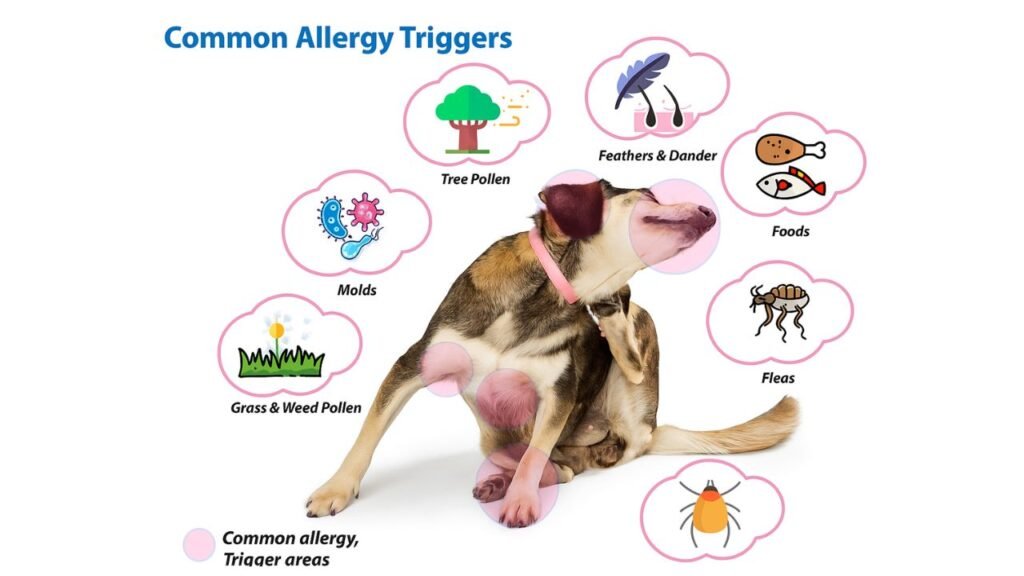
The hallmark symptom of Labrador Retriever itching is intense pruritus, which is characterized by excessive scratching, licking, or chewing. Owners often notice their dogs constantly scratching at their ears, flanks, groin, or paws. This persistent dog itching can lead to visible skin changes such as redness, inflammation, and the development of rashes or hot spots. Over time, chronic irritation can compromise the skin’s natural barrier, making it vulnerable to secondary bacterial or yeast infections. These infections can exacerbate the itching, cause unpleasant odors, and lead to further discomfort for your Labrador.
- Key Indicators:
- Excessive scratching, licking, or chewing.
- Constant scratching at ears, flanks, groin, or paws.
- Visible skin changes: redness, inflammation, rashes, or hot spots.
- Development of secondary bacterial or yeast infections.
Chronic Ear Infections and Paw Licking
Beyond generalized skin irritation, recurrent ear infections, medically known as otitis externa, are a frequent and often frustrating indicator of Labrador ear infections linked to underlying allergies. The inflammation caused by allergens creates an ideal environment for microbial overgrowth within the ear canal. You might notice your Labrador shaking their head, scratching their ears, or experiencing a discharge or odor. Similarly, excessive paw licking and chewing are strong indicators of allergic reactions. Allergens can be absorbed through the sensitive skin of the paws, or the paws themselves can become irritated from direct contact with environmental triggers, leading to relentless licking and chewing that can result in red, swollen, and sometimes infected paws.
- Ear Infection Signs:
- Head shaking.
- Scratching ears.
- Discharge or odor from the ears.
- Paw Licking/Chewing Signs:
- Relentless licking and chewing of paws.
- Red, swollen, and potentially infected paws.
Gastrointestinal Upset: A Less Obvious Symptom
While skin issues are the most common presentation for environmental allergies, it’s important to remember that dog allergy symptoms can also manifest as gastrointestinal upset, particularly in cases of food allergies. Less obvious than skin irritation, these symptoms might include chronic vomiting, diarrhea, consistently soft stools, or excessive flatulence. These digestive issues can occur either independently or in conjunction with skin-related problems, making diagnosis a bit more challenging without careful observation and veterinary guidance.
- Gastrointestinal Symptoms:
- Chronic vomiting.
- Diarrhea.
- Consistently soft stools.
- Excessive flatulence.
Respiratory Issues: Sneezing and Wheezing
Although less common in dogs than in humans, some Labradors can develop respiratory signs due to inhaled allergens. These dog allergy symptoms might include sneezing, coughing, or wheezing, similar to asthmatic reactions in people. In some instances, a clear or cloudy nasal discharge may also be present. If you notice your Labrador struggling with these respiratory signs, especially seasonally, it’s important to consult your veterinarian to rule out other conditions and explore potential allergic triggers.
- Respiratory Symptoms:
- Sneezing.
- Coughing.
- Wheezing.
- Clear or cloudy nasal discharge.
What Causes Labrador Retriever Allergies?
Understanding the causes of dog allergies is fundamental to effective treatment and management. Allergies in Labradors typically fall into three main categories, each with distinct triggers and diagnostic approaches.
Environmental Allergens (Atopy): Pollen, Dust Mites, and Molds
Atopic dermatitis, often referred to as environmental allergies in dogs, is a prevalent cause of allergic reactions in Labradors. This condition is triggered by common airborne allergens such as pollen (from trees, grasses, and weeds), microscopic dust mites found in household dust, and various mold spores. These allergens are typically inhaled or absorbed directly through the skin, prompting an exaggerated immune response in genetically predisposed dogs. Symptoms often follow seasonal patterns, intensifying during specific times of the year when certain pollens are abundant, but can be year-round if the triggers are indoor allergens like dust mites.
- Common Environmental Triggers:
- Pollen (from trees, grasses, and weeds).
- Microscopic dust mites.
- Various mold spores.
Food Allergies and Sensitivities: Identifying Triggers
Food allergies in dogs develop when their immune system mistakenly identifies specific proteins in their diet as harmful, leading to an adverse reaction. Unlike food intolerances, which are digestive issues, true food allergies involve an immune response and can cause a range of symptoms, including both skin irritation and gastrointestinal upset. Common culprits often include proteins like beef, dairy, chicken, and sometimes grains like wheat. Identifying these specific triggers requires a systematic approach, as symptoms can be similar to other allergy types.
- Common Food Triggers:
- Proteins: beef, dairy, chicken.
- Grains: wheat.
Flea Allergy Dermatitis: More Than Just a Bite
Flea allergy dermatitis (FAD) is a highly prevalent and intensely irritating allergic reaction in dogs. It’s not just about the presence of fleas; it’s an extreme sensitivity to proteins found in flea saliva. For an allergic Labrador, even a single flea bite can trigger severe itching, redness, and hair loss, particularly around the tail base, inner thighs, and abdomen. The reaction is disproportionate to the number of fleas present, making consistent and strict flea control absolutely essential for affected dogs. FAD is one of the most common causes of dog allergies and can be easily overlooked if owners don’t realize how potent a single bite can be.
- Trigger: Proteins in flea saliva.
- Key Characteristic: Even a single flea bite can cause severe reaction.
Diagnosing Allergies in Your Labrador
Accurately diagnosing dog allergies is a multi-step process that requires careful collaboration with your veterinarian. It involves ruling out other conditions and systematically identifying the specific allergens affecting your Labrador.

The Veterinary Examination and Medical History
The diagnostic journey typically begins with a thorough physical examination by your veterinarian. This is coupled with a detailed medical history, where you’ll provide crucial information about your Labrador’s symptoms, including their onset, any seasonal patterns, their current diet, and any previous treatments or medications. This comprehensive approach helps your vet rule out other conditions that might mimic allergies, such as parasitic infestations (e.g., mites, lice) or primary skin infections, and guides the subsequent diagnostic steps to pinpoint the true cause of your dog’s discomfort.
Allergy Testing: Skin and Blood Tests Explained
For environmental allergies, two primary methods of dog allergy testing are available. Intradermal skin testing (IDST) is often considered the gold standard. This procedure involves shaving a small area of your dog’s fur and injecting tiny amounts of various common allergens just under the skin. Your veterinarian then observes for localized reactions, such as redness or swelling, which indicate sensitivity. Alternatively, serum IgE blood tests can be performed to identify specific environmental allergens by measuring the levels of allergen-specific antibodies (IgE) in your dog’s blood. While less invasive, the accuracy of blood tests can sometimes vary compared to IDST, and your vet will advise on the most appropriate test for your Labrador.
- Intradermal Skin Testing (IDST):
- Procedure: Shaving fur, injecting tiny amounts of allergens under the skin.
- Observation: Localized reactions (redness, swelling) indicate sensitivity.
- Considered: Often the gold standard.
- Serum IgE Blood Tests:
- Procedure: Measures levels of allergen-specific antibodies (IgE) in blood.
- Benefit: Less invasive.
- Consideration: Accuracy can vary compared to IDST.
Elimination Diets: Pinpointing Food Allergies
When food allergies are suspected, an elimination diet for dogs is considered the most reliable method for diagnosis. This process involves feeding your Labrador a novel protein diet (containing a protein source they have never eaten before, like venison or duck) or a hydrolyzed protein diet (where proteins are broken down into tiny molecules too small to trigger an immune response) for a strict period of 8 to 12 weeks. During this time, absolutely no other foods, treats, or flavored medications can be given. If symptoms resolve, old foods are then reintroduced one by one, allowing you to observe if symptoms return, thereby pinpointing the specific allergen causing the problem. This method requires significant owner commitment but is highly effective.
- Step 1: Feed a novel protein diet (e.g., venison, duck) or a hydrolyzed protein diet.
- Step 2: Maintain this strict diet for 8 to 12 weeks; no other foods, treats, or flavored medications.
- Step 3: If symptoms resolve, reintroduce old foods one by one.
- Step 4: Observe if symptoms return to pinpoint the specific allergen.
Effective Treatments for Labrador Retriever Allergies
Once your Labrador’s allergies are diagnosed, a range of treating dog allergies options are available, often used in combination, to provide relief and improve their quality of life. The goal is to reduce symptoms, prevent secondary infections, and address the underlying immune response.
Symptomatic Relief: Antihistamines, Steroids, and Apoquel
For immediate dog allergy relief, several dog allergy medication options can be prescribed. Antihistamines (suchs as diphenhydramine or cetirizine) can offer mild relief for some dogs, particularly for less severe cases. Corticosteroids (like prednisone) are potent anti-inflammatory drugs that quickly reduce itching and inflammation, providing rapid comfort. However, they carry potential side effects with long-term use, so their application is often carefully managed. Oclacitinib (Apoquel) is a more modern, targeted medication that specifically inhibits certain itch pathways, offering rapid and effective relief with generally fewer side effects than steroids, making it a popular choice for chronic allergic pruritus.
- Antihistamines (e.g., diphenhydramine, cetirizine):
- Offer mild relief for less severe cases.
- Corticosteroids (e.g., prednisone):
- Potent anti-inflammatory, quickly reduce itching and inflammation.
- Rapid comfort, but potential side effects with long-term use.
- Oclacitinib (Apoquel):
- Modern, targeted medication inhibiting itch pathways.
- Rapid and effective relief with generally fewer side effects than steroids.
Immunotherapy: Allergy Shots and Oral Drops
For environmental allergies, Allergen-Specific Immunotherapy (ASIT) is a groundbreaking approach. Often referred to as desensitization, immunotherapy for dogs involves exposing your Labrador to gradually increasing doses of the specific allergens identified through allergy testing. This can be administered via injections (allergy shots) or oral drops. The aim is to retrain the immune system to become less reactive to these allergens over time. ASIT is the only treatment that can potentially modify the disease course, rather than just managing symptoms, and is effective in 60-80% of cases, though it requires a long-term commitment from owners.
Dietary Management for Food Allergies
For Labradors diagnosed with food allergies, strict adherence to a hypoallergenic diet is the cornerstone of treatment. This means consistently feeding only the novel protein or hydrolyzed protein diet that was used during the elimination phase, or a commercially available prescription diet specifically formulated for food sensitivities. Avoiding the identified trigger ingredient(s) completely is paramount. With diligent dietary management, most dogs will experience a significant resolution of their symptoms, leading to improved skin and gastrointestinal health.

Topical Treatments: Shampoos, Sprays, and Ointments
Topical treatments play a vital role in providing localized dog allergy relief and supporting skin health. Medicated shampoos containing ingredients like chlorhexidine (for bacterial infections), miconazole (for yeast infections), or soothing oatmeal can help remove surface allergens, reduce inflammation, and treat secondary skin infections. Sprays and ointments can be used for targeted relief on specific irritated areas. Regular bathing with appropriate products can soothe irritated skin, restore the skin barrier, and reduce the overall allergen load on your Labrador’s coat.
- Medicated Shampoos:
- Ingredients: chlorhexidine (for bacterial), miconazole (for yeast), soothing oatmeal.
- Benefits: Remove surface allergens, reduce inflammation, treat secondary infections.
- Sprays and Ointments:
- Used for targeted relief on specific irritated areas.
- Overall Benefits: Soothe irritated skin, restore skin barrier, reduce allergen load.
Strict Flea Control Strategies
For Labradors suffering from flea allergy dermatitis, a comprehensive and strict flea control strategy is non-negotiable. This means year-round, consistent use of veterinarian-recommended topical or oral flea preventatives. It’s also crucial to treat the home environment to eliminate all life stages of fleas (eggs, larvae, pupae, and adults) to prevent re-infestation. Even a single flea bite can trigger a severe reaction in an allergic dog, so prevention is the most effective form of treating dog allergies caused by fleas.
Long-Term Management and Prevention Strategies
Managing dog allergies in Labradors is often a lifelong commitment. Beyond immediate treatments, implementing long-term strategies is crucial for sustained comfort and preventing flare-ups. Proactive measures are key to managing dog allergies effectively.
Environmental Control: Reducing Allergen Exposure
For Labradors with environmental allergies, minimizing exposure to triggers is a critical component of environmental control dog allergies. Strategies include frequent vacuuming with a HEPA filter, regularly washing your dog’s bedding in hot water, and using air purifiers in your home. During high pollen seasons, limit outdoor exposure, especially during peak pollen times. After outdoor activities, wiping your Labrador’s paws and coat with a damp cloth can significantly help reduce the allergen load they bring indoors, thereby preventing dog allergies symptoms from escalating.
- Key Strategies:
- Frequent vacuuming with a HEPA filter.
- Regularly washing your dog’s bedding in hot water.
- Using air purifiers in your home.
- Limiting outdoor exposure during high pollen seasons.
- Wiping your Labrador’s paws and coat with a damp cloth after outdoor activities.
Regular Grooming and Skin Care Routines
Establishing a consistent grooming routine is essential for managing dog allergies. Regular bathing with appropriate, veterinarian-recommended shampoos helps to physically remove allergens from the coat and skin, reduce inflammation, and support a healthy skin barrier. The frequency of bathing will depend on your dog’s specific needs and your vet’s advice. Brushing also plays a role by distributing natural oils, removing loose fur and dander, and allowing you to inspect your Labrador’s skin for any early signs of irritation or infection.
- Bathing:
- Regularly with vet-recommended shampoos.
- Removes allergens, reduces inflammation, supports skin barrier.
- Brushing:
- Distributes natural oils.
- Removes loose fur and dander.
- Allows inspection for irritation or infection.
Nutritional Support and Supplements for Skin Health
A well-balanced diet is fundamental for overall health, and specific nutritional support can significantly aid in managing dog allergies. Diets rich in omega-3 fatty acids, such as those found in fish oil, are known to support skin barrier function and reduce systemic inflammation, which can be beneficial for allergic dogs. Additionally, some veterinarians may recommend probiotics, which can help modulate the immune system and improve gut health, potentially influencing the body’s overall allergic response. Always discuss any dietary changes or supplements with your veterinarian to ensure they are appropriate for your Labrador.
- Omega-3 Fatty Acids (e.g., fish oil):
- Support skin barrier function.
- Reduce systemic inflammation.
- Probiotics:
- Modulate the immune system.
- Improve gut health.
When to Consult Your Veterinarian About Your Labrador’s Allergies
Knowing when to seek professional help is vital for your Labrador’s well-being. You should consult your vet for dog allergies if you observe any persistent itching, redness, skin lesions, hair loss, recurrent ear infections, or gastrointestinal upset. Any signs of discomfort, changes in behavior due to itching, or if your Labrador’s current allergy management plan seems ineffective warrant a veterinary visit. Early intervention is crucial to prevent secondary infections, alleviate suffering, and avoid chronic issues that can become more challenging to treat. If you suspect severe dog allergies, immediate veterinary attention is necessary to develop an effective, tailored treatment plan that addresses your pet’s specific needs.

- Consult your vet if you observe:
- Persistent itching, redness, skin lesions, or hair loss.
- Recurrent ear infections.
- Gastrointestinal upset (vomiting, diarrhea, soft stools, flatulence).
- Any signs of discomfort or changes in behavior due to itching.
- If your Labrador’s current allergy management plan seems ineffective.
- Suspected severe dog allergies (seek immediate attention).
Conclusion: Supporting Your Allergic Labrador Retriever
Labrador Retriever allergies can be a challenging condition, but with the right approach, your beloved companion can still lead a comfortable and happy life. Effective managing dog allergies requires a multi-faceted strategy that combines accurate diagnosis, consistent application of prescribed treatments, and proactive long-term management strategies. By working closely with your veterinarian, implementing environmental controls, maintaining regular grooming, and providing appropriate nutritional support, you can significantly improve your allergic Labrador’s quality of life. Your dedication and commitment are the most important factors in helping your furry friend thrive despite their allergies, ensuring they continue to bring joy and companionship for years to come.
Frequently Asked Questions
01. What are the most common signs of allergies in Labrador Retrievers?
The most common signs of allergies in Labradors include intense itching, excessive scratching, licking, or chewing (especially at ears, flanks, groin, or paws), redness, inflammation, rashes, and hot spots. Recurrent ear infections and persistent paw licking are also strong indicators, often leading to secondary bacterial or yeast infections.
02. Why are Labrador Retrievers particularly prone to developing allergies?
Labrador Retrievers have a notable genetic predisposition to allergies, especially atopic dermatitis. This susceptibility is linked to inherited factors that affect their skin barrier function and how their immune system responds to common environmental substances, causing it to overreact to otherwise harmless allergens.
03. What are the main causes of allergies in Labrador Retrievers?
Allergies in Labradors typically stem from three main categories: environmental allergens (atopy) such as pollen, dust mites, and molds; food allergies to specific proteins (like beef, dairy, chicken) or grains; and flea allergy dermatitis, which is an extreme sensitivity to proteins in flea saliva.
04. How are allergies diagnosed in Labrador Retrievers?
Diagnosing allergies involves a thorough veterinary examination and medical history. Environmental allergies can be identified through intradermal skin testing or serum IgE blood tests. Food allergies are most reliably diagnosed using a strict 8 to 12-week elimination diet, followed by reintroduction of suspected triggers.
05. What are the effective treatment options for Labrador Retriever allergies?
Treatment options for Labrador allergies include symptomatic relief medications like antihistamines, corticosteroids, or Apoquel. For environmental allergies, immunotherapy (allergy shots or oral drops) can retrain the immune system. Food allergies require strict dietary management, while flea allergy dermatitis necessitates rigorous, year-round flea control. Topical treatments like medicated shampoos also provide relief and support skin health.