The Labrador Retriever stands as one of the world’s most beloved and recognizable dog breeds, cherished for its friendly demeanor, intelligence, and versatility. Beyond its renowned temperament, however, lies a distinctive and purposeful Labrador Retriever physical appearance, meticulously defined by official Labrador breed standards. Understanding these physical traits is key to appreciating the breed’s heritage and functional design, offering insights into what makes a well-bred Labrador truly iconic.
The Importance of Breed Standards
Breed standards, established by organizations like the AKC and The Kennel Club, serve as the blueprint for the ideal Labrador Retriever. These guidelines meticulously define the breed’s physical characteristics, which are crucial for preserving its distinctive appearance, functional abilities, and inherent health.
They guide responsible breeders in producing healthy, typical specimens and provide a benchmark for judges. For prospective owners, understanding these Labrador breed standards helps identify a dog with the structural integrity necessary for a long, active life.
The Overall Impression: A Study in Strength and Agility
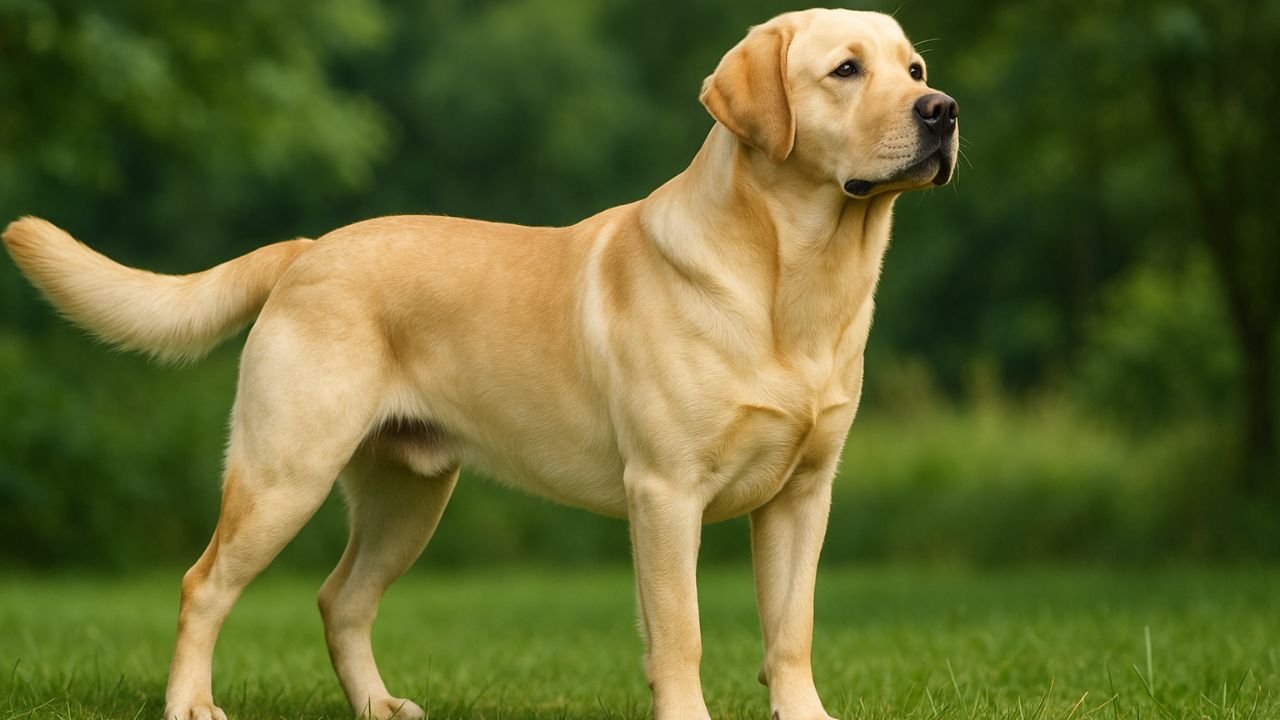
The first impression of a Labrador Retriever should be one of robust strength combined with effortless agility. This breed’s Labrador Retriever physical appearance is a testament to its working heritage, designed for endurance and efficiency in the field and water. It is a medium-sized, short-coupled, and powerful dog, exuding an athletic yet gentle presence.
General Build and Proportions
A well-bred Labrador exhibits a strong, athletic, and remarkably well-balanced physique. The ideal Labrador body shape is characterized by its “short-coupled” nature, meaning the distance from the last rib to the hip is relatively short, contributing to its powerful and compact build. According to breed standards, the length from the point of the shoulder to the point of the rump should be slightly longer than the height from the highest point of the shoulder (withers) to the ground. This often translates to a ratio of approximately 10:9 or 12:11, ensuring a balanced, rectangular outline rather than a square one. This proportion is critical for maintaining the breed’s characteristic gait and functional efficiency.
Athleticism and Purposeful Design
Every aspect of the Labrador’s physical design is inherently functional, built for strenuous activity and remarkable endurance. Its robust bone structure, powerful musculature, and balanced angulation enable it to efficiently retrieve game over varied terrain and in challenging water conditions. This purposeful design directly reflects its origins as a dedicated retrieving gun dog, capable of working tirelessly for hours. The athleticism evident in the Labrador Retriever physical appearance is a hallmark, allowing for both powerful bursts of speed and sustained effort.
Coat and Color: The Signature Hues
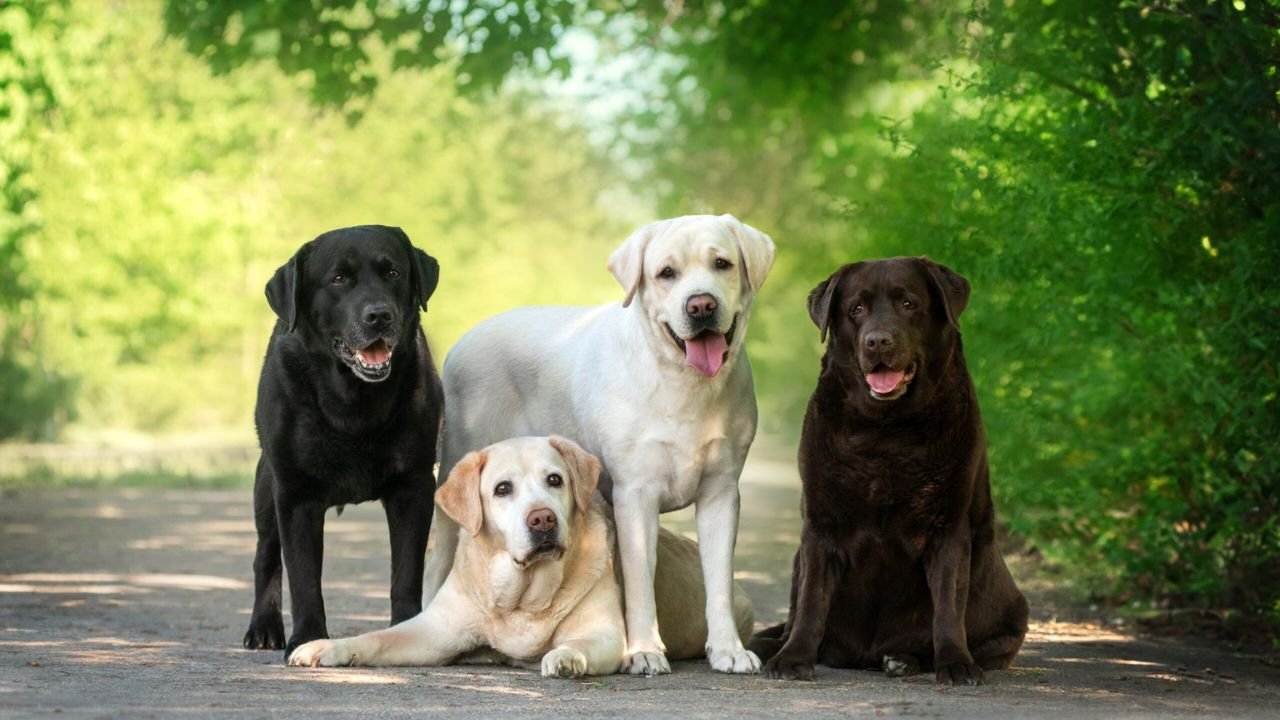
One of the most immediately recognizable Labrador features is its distinctive coat, which comes in a limited palette of solid colors. These signature hues, combined with the coat’s unique texture, are integral to the breed’s identity and functional purpose.
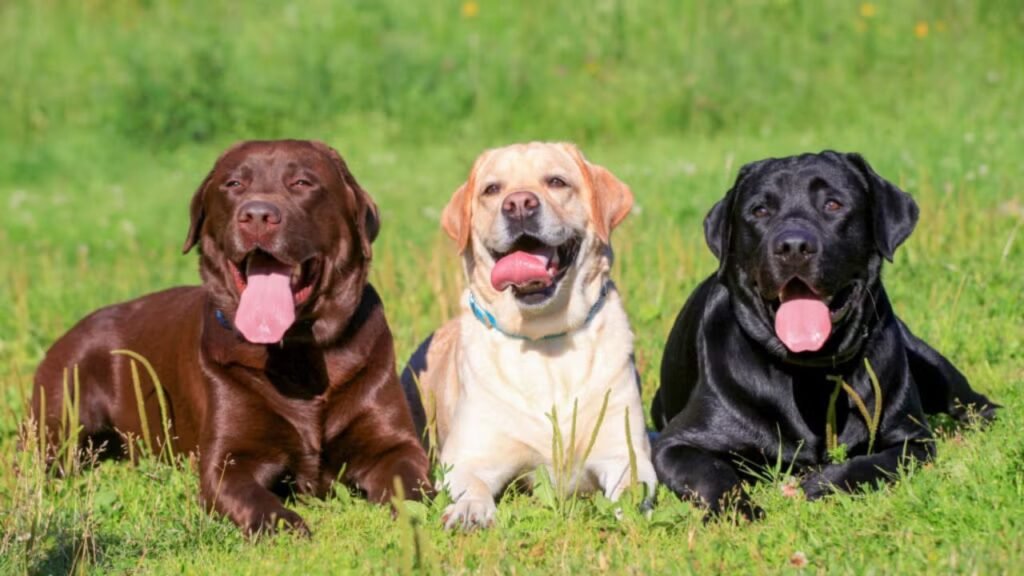
Accepted Coat Colors: Black, Yellow, Chocolate
- Black: Uniformly black, without any brindle or tan markings.
- Yellow: Exhibits a remarkable range, from a light cream, almost white, to a rich fox-red hue, with all shades in between being acceptable.
- Chocolate: Displays a spectrum of brown, from a lighter milk chocolate to a deep, dark liver color.
Any other color or combination of colors, such as brindle, merle, or tan points, is considered a disqualification in the show ring and indicates a deviation from the purebred standard.
Coat Texture and Characteristics
Beyond color, the texture and characteristics of the Labrador’s coat are crucial Labrador features. The ideal coat is short, dense, and straight, feeling somewhat hard to the touch. It should be entirely free from feathering on the legs or tail. A soft, silky, or woolly coat is considered incorrect and can compromise the dog’s ability to withstand harsh weather. The most vital characteristic, however, is the presence of a dense, weather-resistant undercoat. This thick, insulating layer provides essential protection and warmth, particularly when the dog is working in cold water or inclement conditions, allowing the Labrador to perform its retrieving duties effectively regardless of the environment.
Understanding Markings and Pigmentation
While solid colors are the standard, minor variations in markings and pigmentation are important to note. A small white spot on the chest is permissible, though generally not desirable in the show ring. Any other white markings, particularly on the feet or muzzle, are considered faults. Pigmentation of the nose, eye rims, and lips is also a key indicator of breed purity. For black and yellow Labradors, this pigmentation should be solid black. In chocolate Labradors, the nose, eye rims, and lips should be brown or liver-colored. Fading or “snow nose” (a temporary lightening of the nose pigment, often in winter) is common in yellow Labradors but should ideally be dark. Lack of proper pigmentation, often referred to as a “Dudley nose” (pink nose without any pigment), is a serious fault in all colors.
Size and Weight: The Standard Dimensions
The Labrador Retriever is classified as a medium-to-large breed, with specific Labrador size and weight guidelines meticulously outlined in the Labrador breed standards. These dimensions are not arbitrary but are carefully chosen to ensure the dog’s functional efficiency and overall balance.
Male Labrador Specifications
- Height at Withers: 22.5 to 24.5 inches (57-62 cm)
- Weight: 65 to 80 pounds (29.5-36 kg)
These specifications ensure that male Labradors possess the necessary strength and substance without being overly bulky, allowing for agility and endurance in their working roles.
Female Labrador Specifications
- Height at Withers: 21.5 to 23.5 inches (55-60 cm)
- Weight: 55 to 70 pounds (25-32 kg)
While smaller, female Labradors should still exhibit the same robust build and athletic prowess characteristic of the breed, maintaining the overall impression of strength and balance.
Importance of Proportion over Absolute Size
While these numerical ranges provide a useful benchmark, it’s crucial to emphasize that proportion and balance are often more important than absolute Labrador size and weight. A Labrador that falls slightly outside these ranges but is otherwise well-proportioned, athletic, and sound in structure is generally preferred over a dog that meets the exact numbers but appears unbalanced or cumbersome. The Labrador breed standards prioritize a dog’s ability to perform its duties, and an overly large or small dog, or one with disproportionate limbs, may struggle with the agility and endurance required of a true retrieving dog. The emphasis is always on a dog that is fit for function.
Head and Expression: The Gentle, Intelligent Gaze
The Labrador Retriever’s head is a defining aspect of its physical appearance, eloquently conveying the breed’s renowned intelligence and gentle nature. It is a key area where many distinctive Labrador features are observed, all contributing to the breed’s characteristic, good-natured expression.
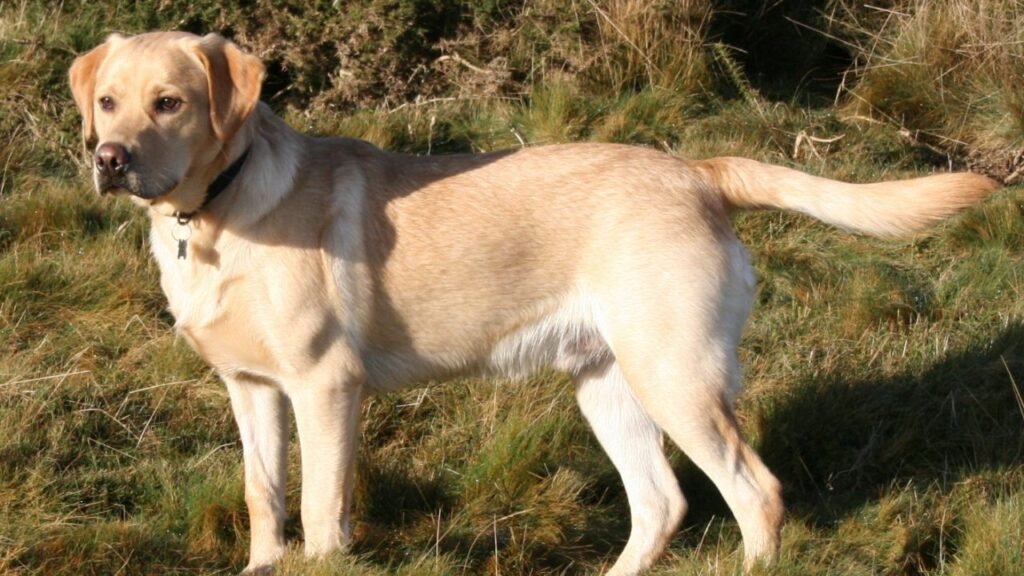
Skull and Muzzle: Shape and Proportions
The skull should be broad and clean-cut, without fleshy cheeks. A moderate stop, neither too pronounced nor too shallow, is essential. The muzzle is powerful and medium length, not pointed, and roughly equal in length to the skull from the stop to the occiput. Strong jaws are vital for carrying game softly, a direct reflection of Labrador breed standards and functional ability.
Eyes: Color, Shape, and Expression
The eyes are perhaps the most telling of Labrador features, reflecting the breed’s kind, intelligent disposition. Medium size, set well apart, they should be brown or hazel, with black or brown rims. The expression should be alert, intelligent, and good-natured, radiating the Labrador’s characteristic eagerness. Harsh, small, or close-set eyes are undesirable.
Ears: Set, Size, and Carriage
The ears of a Labrador Retriever are set rather far back on the head and moderately low. They should be of medium size, not large or heavy, and hang close to the head. When pulled forward, the tip of the ear should reach approximately to the inner corner of the eye. Their carriage should be attentive but not erect, framing the face and contributing to the gentle overall Labrador Retriever physical appearance. Ears that are too long, too short, or set too high are considered deviations from the Labrador breed standards.
Teeth and Bite: Standard Alignment
Strong, healthy teeth are essential for a retrieving dog. The Labrador should have a complete set of strong, white teeth, meeting in a perfect scissor bite. This means the upper teeth closely overlap the lower teeth and are set squarely to the jaws. An undershot or overshot bite, or misaligned teeth, are considered serious faults as they can impair the dog’s ability to grasp and hold objects effectively.
Body Structure: The Foundation of a Working Dog
The core of the Labrador’s functional design lies in its robust body shape, meticulously engineered for power, endurance, and agility. Each component of its structure contributes to its overall Labrador Retriever physical appearance and its inherent ability to perform as a dedicated retriever.
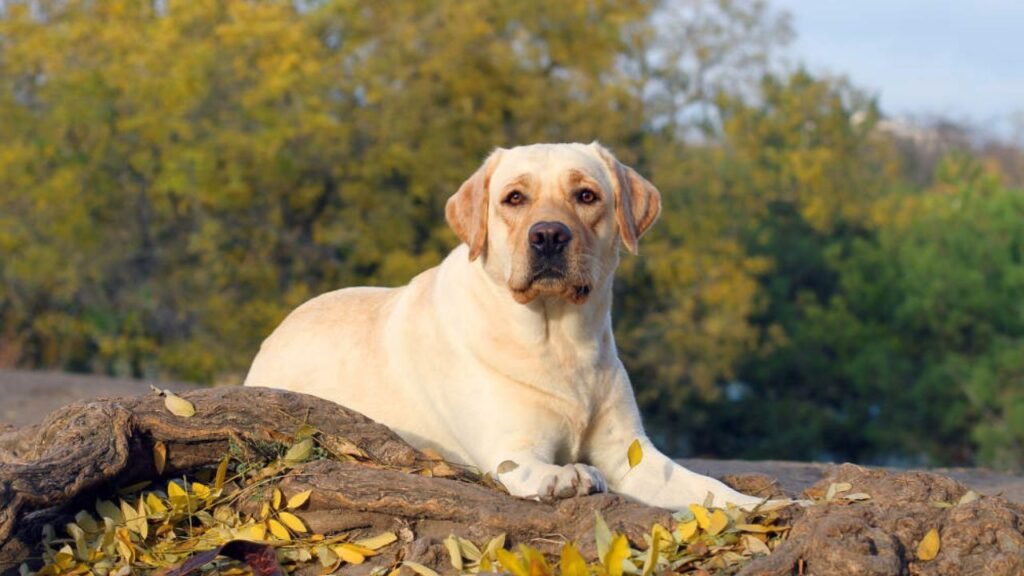
Neck and Topline
The neck should be strong, clean, and of a medium length, allowing for efficient head carriage and movement. It should flow smoothly into well-laid-back shoulders. The topline, extending from the withers to the croup (the point where the back slopes down to the tail), should be level and strong, indicating a sound skeletal structure. A sloping or roached topline is considered a fault, as it can hinder the dog’s movement and overall balance, thus deviating from Labrador breed standards.
Chest and Ribs: Depth and Spring
A deep and wide chest is a crucial Labrador feature, providing ample room for lung and heart capacity, essential for stamina. The chest should extend down to the elbows. The ribs should be well-sprung, forming a barrel-like shape that is neither flat-sided nor overly rounded. This combination of depth and spring in the ribs contributes significantly to the powerful Labrador body shape and its ability to sustain prolonged physical activity.
Loin and Hindquarters
The loin (the area between the last rib and the hip) should be short, strong, and muscular, connecting the powerful hindquarters to the rest of the body. The hindquarters themselves are broad, strong, and well-muscled, designed to provide the powerful drive needed for swimming and leaping. Proper angulation of the hindquarters is essential for efficient movement and is a key aspect of the ideal Labrador Retriever physical appearance.
The Otter Tail: A Defining Feature
One of the most distinctive Labrador features is its “otter” tail. This tail is thick at the base, gradually tapering towards the tip, and of medium length, reaching approximately to the hock. It should be covered densely with the Labrador’s characteristic short, dense coat, giving it a rounded appearance. The tail is carried gaily when the dog is excited or moving, but it should never curl over the back. Its primary function is as a rudder for swimming, highlighting the breed’s aquatic capabilities and adherence to Labrador breed standards.
Legs and Paws: Built for Endurance
The legs and paws of the Labrador Retriever are integral to its athletic body shape and overall physical appearance, specifically designed for sustained activity and navigating diverse terrains, including water.
Forequarters: Shoulders, Legs, and Angulation
The forequarters should be well-muscled, with shoulders laid back at a good angle, allowing for free and efficient movement. The legs should be straight and possess strong bone from the shoulder to the ground, appearing parallel when viewed from the front. Proper angulation of the shoulder blade and upper arm is crucial for optimal reach and efficiency in gait, contributing to the dog’s powerful stride and overall balance – a key Labrador feature.
Hindquarters: Stifles, Hocks, and Drive
The hindquarters are powerful and well-developed, providing the primary drive for movement. The stifles (knees) should be well-angulated, and the hocks (ankles) should be short, strong, and parallel when viewed from the rear. This strong, well-angulated hindquarter assembly enables the Labrador to propel itself with great force, whether running, jumping, or swimming, thereby showcasing its inherent athletic Labrador features.
Paws: Compact and Webbed
The paws are compact, round, and strong, with well-arched toes and thick, resilient pads. A truly distinctive Labrador feature is the presence of webbing between the toes, which greatly aids in swimming efficiency. These “webbed” feet are a testament to the breed’s aquatic heritage, allowing them to paddle powerfully and navigate water with ease, further enhancing the functional Labrador Retriever physical appearance.
Understanding Variations and Minor Faults
While Labrador breed standards define the ideal, minor variations are common and expected. Deviations such as a slightly longer body or a less defined stop are considered minor faults in the show ring. However, these minor deviations generally do not impact a dog’s health or temperament. Understanding these nuances helps us appreciate the full spectrum of the Labrador Retriever physical appearance while still recognizing the core traits that define the breed.
Conclusion: Appreciating the Labrador’s Enduring Appeal
Summary of Key Physical Traits
- A robust, athletic, and well-balanced physique.
- A short, dense, weather-resistant coat in black, yellow, or chocolate.
- A broad skull, powerful muzzle, and kind, intelligent eyes.
- A strong, level topline and deep chest.
- Powerful hindquarters and a distinctive “otter” tail.
- Compact, round, and webbed paws.
The Link Between Appearance and Temperament
Ultimately, the Labrador’s physical attributes are inextricably linked to its renowned, amiable temperament. Its robust build supports its energetic nature, while its expressive eyes contribute to its famously friendly disposition. Understanding the Labrador Retriever physical appearance deepens our appreciation for this magnificent, beloved companion.
Frequently Asked Questions
01. What are the recognized coat colors for Labrador Retrievers?
According to official breed standards, Labrador Retrievers come in three primary, solid colors: black, yellow (ranging from light cream to rich fox-red), and chocolate (from lighter milk chocolate to deep, dark liver). Any other color or combination is considered a disqualification.
02. What is the ideal size and weight for a Labrador Retriever?
Male Labradors typically stand 22.5 to 24.5 inches (57-62 cm) at the withers and weigh 65 to 80 pounds (29.5-36 kg). Female Labradors are slightly smaller, with a height of 21.5 to 23.5 inches (55-60 cm) and a weight of 55 to 70 pounds (25-32 kg). Proportion and balance are considered more important than absolute size.
03. What is the “otter tail” and what is its purpose?
The “otter tail” is a distinctive Labrador feature, thick at the base and gradually tapering to the tip, of medium length, and densely covered with the breed’s short, dense coat, giving it a rounded appearance. Its primary function is to act as a rudder, greatly aiding the dog in swimming.
04. What are the key characteristics of a Labrador Retriever’s coat?
The ideal Labrador coat is short, dense, and straight, feeling somewhat hard to the touch, and entirely free from feathering. Crucially, it possesses a dense, weather-resistant undercoat that provides essential protection and warmth, particularly when the dog is working in cold water or inclement conditions.
05. What is the typical body shape or build of a Labrador Retriever?
A Labrador Retriever’s body shape is characterized by a robust, athletic, and well-balanced physique. It is “short-coupled,” meaning the distance from the last rib to the hip is relatively short, contributing to its powerful and compact build. The length from the point of the shoulder to the point of the rump should be slightly longer than its height at the withers, creating a balanced, rectangular outline.