
The Labrador Retriever stands as a beacon of canine companionship, consistently topping lists as one of the world’s most beloved dog breeds. Their widespread appeal isn’t accidental; it’s deeply rooted in their exceptional Labrador Retriever temperament and personality. Renowned for their boundless friendliness, unwavering loyalty, and gentle disposition, Labradors are more than just pets; they are cherished family members and incredibly versatile working dogs.
Why Understanding Labrador Temperament Matters
For prospective owners or those seeking a deeper bond with their current Labrador, a comprehensive understanding of the Labrador Retriever temperament and personality is essential. This knowledge is not merely academic; it forms the bedrock of a harmonious relationship, enables a proactive approach to preventing common behavioral challenges, and is key to providing care perfectly tailored to your Labrador’s unique needs. By delving into their core Labrador personality traits, owners can foster a stronger, more fulfilling bond, ensuring their furry friend thrives in every aspect of life.
What Defines a Labrador Retriever’s Temperament?
At its core, the Labrador Retriever’s temperament is a captivating blend of intelligence, an inherent eagerness to please, and robust, joyful energy. These fundamental Labrador characteristics are precisely what contribute to their stellar reputation as highly adaptable, remarkably trainable, and wonderfully affectionate companions. Understanding these defining traits is crucial to appreciating the breed’s full potential.
A Brief History of the Breed’s Role and How it Shaped Temperament
To truly grasp the essence of the Labrador’s nature, we must delve into their origins. Originating from the icy shores of Newfoundland, Canada, Labradors were initially bred to be invaluable partners to fishermen. Their tasks included retrieving nets, lines, and even fish that had escaped hooks from the frigid waters. This demanding historical role profoundly shaped their temperament, instilling an incredibly strong retrieving drive, an innate affinity for water, and a biddable, cooperative nature that makes them highly responsive to human direction. The development of their famous ‘soft mouth’ was also essential, allowing them to carry game or fish without causing damage—a gentle trait still proudly evident in their Labrador Retriever temperament and personality today.
The Core Pillars: Gentle, Eager-to-Please, and Outgoing
When discussing the defining Labrador characteristics, three pillars stand out:
- Their gentle nature is beautifully reflected in their patient demeanor, particularly with children, and their characteristic soft mouth. This inherent kindness makes them wonderful, safe companions.
- Their eagerness to please is a trainer’s dream; it means they are highly receptive to learning and genuinely enjoy making their human companions happy, a cornerstone of their exceptional trainability.
- Finally, their outgoing personality ensures they are sociable, friendly, and welcoming towards virtually everyone they meet—be it people or other animals—making them truly delightful additions to any household.
Key Personality Traits of Labradors
Delving deeper, the Labrador’s Labrador personality traits form a delightful and complex tapestry woven with threads of loyalty, boundless playfulness, and keen intelligence. These Labrador characteristics combine to create a truly unique and beloved companion, with much of their charm stemming from their predictable and endearing Labrador behavior explained by their breed history and inherent nature.
Affectionate and Loyal Companionship
Labradors are renowned for their profound affection and unwavering loyalty to their human families. They thrive on human interaction, often seeking physical closeness, whether through a gentle lean against your leg or a full-body cuddle on the sofa. They possess a strong desire to be an integral part of all family activities, demonstrating their devotion through their constant presence and loving gaze. This deep connection is a hallmark of their Labrador personality traits.
High Energy and Playfulness
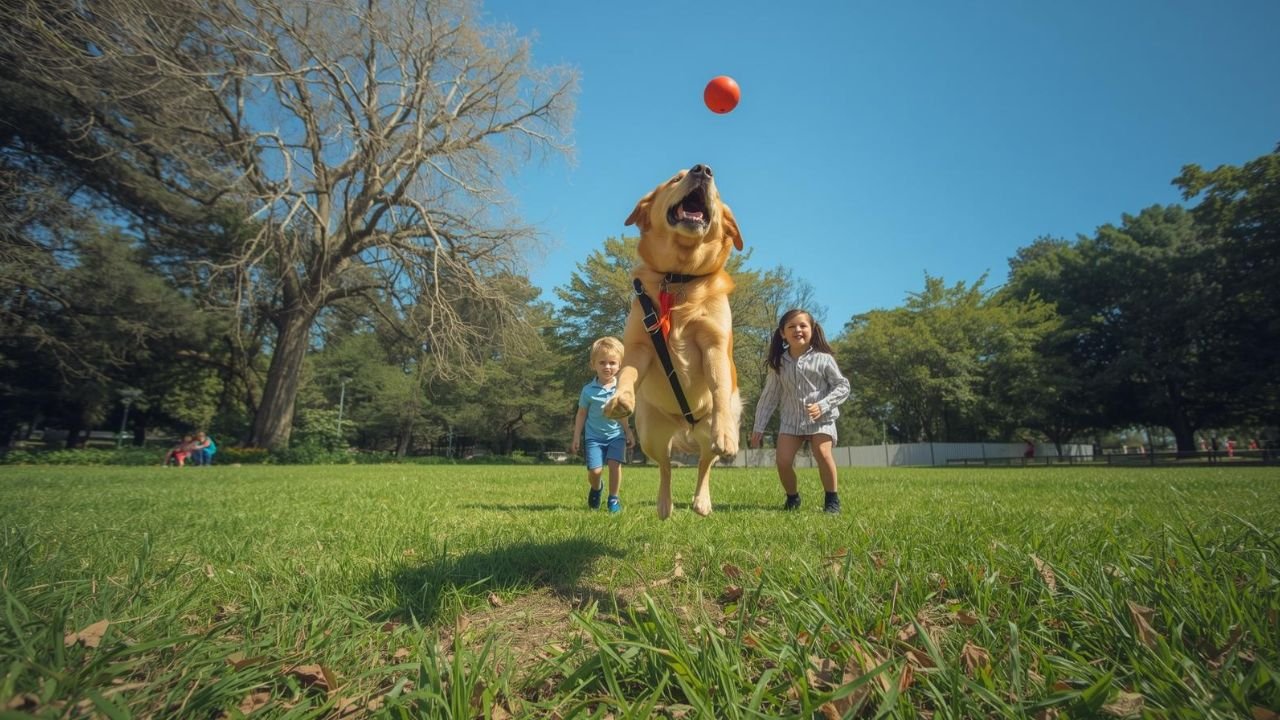
Particularly during their formative years, Labradors exhibit significant and often exuberant energy levels. Their playful spirit isn’t limited to puppyhood; many retain a youthful zest for life well into their senior years. This high energy necessitates substantial daily exercise—typically 60-90 minutes of vigorous activity—to prevent boredom, restlessness, and potential destructive behaviors. Regular physical and mental stimulation is absolutely vital for their overall physical health and mental well-being, ensuring their energy is channeled positively.
Patience and Tolerance (Especially with Children)
Among the most celebrated Labrador characteristics is their remarkable patience and tolerance, particularly when interacting with children. This trait significantly contributes to their stellar reputation as exceptional family dogs. While their gentle nature is inherent, it’s always wise to maintain adult supervision during interactions between children and any dog, and to teach children how to respectfully and safely interact with their canine companions.
Intelligence and Eagerness to Learn
Consistently ranked among the most intelligent dog breeds, Labradors exhibit a truly remarkable eagerness to learn. Their sharp minds, combined with a powerful desire to please their owners, make them exceptionally trainable for a vast array of roles. From basic obedience and advanced agility to complex assistance work and search and rescue missions, their intelligence and biddability shine through, making them quick studies and enthusiastic participants.
The \”Mouthy\” Tendency and How to Manage It
Due to their historical role as retrievers, Labradors naturally use their mouths to explore their environment, carry objects, and even express affection. This inherent \”mouthy\” tendency is a common Labrador behavior explained by their breed heritage. While it’s a natural instinct, it requires consistent management. Providing a wide variety of appropriate chew toys and consistently redirecting any inappropriate mouthing or destructive chewing to these designated items is crucial. Early training can teach them bite inhibition and what is acceptable to chew, ensuring this natural trait doesn’t become a problem.
Are Labradors Good Family Dogs? The Ultimate Verdict
The question, \”Are Labradors good family dogs?\” is met with a resounding and enthusiastic \”Yes!\” Their gentle, patient, and affectionate Labrador personality traits overwhelmingly support this verdict, making them one of the most popular choices for families worldwide.

Interacting with Children
Labradors possess an inherent patience and a naturally playful disposition, making them generally safe and incredibly enjoyable companions for children of all ages. They often form deep, protective bonds with the younger members of their family, treating them with a remarkable degree of gentleness. However, as with any dog breed, supervised interactions are always recommended, and children should be taught how to respectfully and safely engage with their canine friends. This positive Labrador behavior explained by their innate kindness makes them ideal family additions.
Getting Along with Other Pets
With proper early socialization, Labradors typically integrate very well into multi-pet households. They tend to get along famously with other dogs and often coexist peacefully with cats and other smaller household animals. Their relatively low prey drive, especially when compared to many other breeds, contributes significantly to their harmonious coexistence with other furry, feathered, or scaled family members. This adaptability is a testament to their well-rounded Labrador personality traits.
Adaptability to Different Lifestyles
While Labradors are indeed adaptable, they truly thrive in active households that can consistently provide ample exercise and mental stimulation. They can adjust to various living situations, from spacious suburban homes with yards to more rural environments where they have room to roam. However, they are not ideally suited for sedentary lifestyles or small apartment living without a dedicated commitment to sufficient daily outdoor activity. Their need for engagement and movement is a key aspect of their Labrador behavior explained by their energetic nature.
Understanding Common Labrador Behavior Explained
To truly appreciate and effectively manage a Labrador, it is essential to understand some of their most common and characteristic behaviors. These insights into typical Labrador behavior explained by their breed’s history and inherent nature will help owners foster a stronger bond and address needs proactively. Many of these behaviors are simply charming expressions of their core Labrador characteristics.
The Famous \”Labrador Wiggle\”
Perhaps one of the most endearing characteristics of the breed is the \”Labrador Wiggle.\” This isn’t merely a tail wag; it’s a full-body expression of pure joy and friendliness, often involving their entire rear end swaying from side to side. This enthusiastic greeting is an unmistakable sign of their happiness and welcoming disposition, a clear demonstration of their joyful and outgoing nature. It’s a behavior that never fails to bring a smile to an owner’s face.
Chewing and How to Redirect It
Chewing is a natural and often essential Labrador behavior explained by their retrieving instincts and their need for mental stimulation, particularly prevalent in puppies and young adults. It helps them explore their world, relieve boredom, and even alleviate teething discomfort. The key to managing this behavior is providing a diverse array of appropriate chew toys – think durable rubber toys, puzzle feeders, and safe dental chews. Consistently redirecting inappropriate chewing (e.g., on furniture or shoes) to these designated toys is vital for preventing destructive habits.
Barking Habits
Labradors are generally not considered excessive barkers, which is a relief for many owners. However, they will certainly use their voice to alert owners to visitors, express excitement during playtime, or signal if they are bored, lonely, or anxious. Understanding the context of their barking is key. Consistent training, addressing the root cause of excessive barking (e.g., providing more exercise or mental stimulation), and teaching a \”quiet\” command can effectively manage nuisance barking, ensuring their vocalizations are appropriate.
Separation Anxiety Considerations
Due to their profound bond with humans and their strong desire for companionship, Labradors can be prone to developing separation anxiety if left alone for extended periods without proper training or enrichment. This challenging Labrador behavior explained by their social nature can manifest as destructive chewing, excessive barking, house soiling, or even attempts to escape. Gradual desensitization, providing engaging puzzle toys when you leave, and ensuring they receive ample exercise before alone time can help mitigate or prevent separation anxiety.
Labrador Intelligence and Training: A Winning Combination
The synergy between a Labrador’s intelligence and their trainability is truly a winning combination, making them one of the most versatile breeds available. Their inherent cognitive abilities, coupled with their desire to please, create an ideal student.

Why Labradors Excel in Training
Labradors excel in training for several compelling reasons:
- Their high intelligence allows them to quickly grasp new concepts and commands;
- Their eagerness to please provides strong motivation to cooperate; and
- Their often strong food drive makes positive reinforcement incredibly effective.
They genuinely enjoy having a \”job\” to do, whether it’s learning complex obedience routines, mastering agility courses, or performing specialized assistance tasks. This intrinsic motivation and smart Labrador behavior explained by their breed’s history of working alongside humans makes them a joy to train.
Essential Training Tips for a Well-Adjusted Lab
To cultivate a well-adjusted and well-behaved Labrador, several essential training tips are crucial.
- Firstly, start early – puppyhood is the prime time for foundational learning.
- Secondly, consistently utilize positive reinforcement techniques, rewarding desired behaviors with treats, praise, or toys.
- Maintain consistency across all family members regarding commands and rules.
- Keep training sessions short, fun, and engaging to hold their attention.
- Focus on basic obedience commands such as \”sit,\” \”stay,\” \”come,\” \”down,\” and proper leash manners.
These foundational skills are crucial for a happy, well-integrated companion.
Socialization: The Key to a Balanced Temperament
Early and continuous socialization is not merely beneficial; it is absolutely paramount for developing a confident, well-adjusted, and friendly adult Labrador. Exposing puppies to a wide variety of people (of all ages and appearances), places, sounds, and other friendly, vaccinated dogs during their critical developmental period (up to approximately 16 weeks of age) helps them learn to navigate the world without fear or aggression. This broad exposure helps shape a balanced Labrador temperament, preventing fear-based behaviors and fostering their natural outgoing nature.
Factors Influencing a Labrador’s Temperament
While Labradors share many common traits, the specific Labrador Retriever temperament and personality of an individual dog is a complex interplay of several crucial factors. Understanding these influences can help owners better nurture their dog’s potential and address any challenges.
Genetics and Breedingakc
Genetics play a profoundly significant role in shaping a Labrador’s temperament. Responsible breeders meticulously prioritize good temperament, robust health, and proven working ability in their breeding stock. By carefully selecting parents with desirable Labrador characteristics, they help ensure that their puppies inherit predictable and positive behavioral tendencies, laying a strong foundation for a well-adjusted dog. A reputable breeder will be transparent about the temperament of their breeding dogs and the puppies’ parents.
Early Socialization and Environment
The experiences a Labrador puppy has during its critical developmental period—roughly from 3 to 16 weeks of age—profoundly shape its adult temperament. Positive exposure to a wide variety of stimuli, including different people, sounds, sights, and textures, in a safe and controlled environment, is absolutely vital. A rich, stimulating, and positive early environment helps build confidence and resilience, contributing significantly to a balanced and friendly Labrador Retriever temperament and personality.
Training and Consistent Guidance
Beyond genetics and early experiences, ongoing training and consistent guidance from owners are indispensable for shaping a Labrador’s temperament throughout its life. Clear boundaries, consistent expectations, and the continued use of positive reinforcement methods reinforce desired behaviors and help manage less desirable ones. Regular mental stimulation, through training and puzzle toys, is also crucial. This sustained effort leads to a well-mannered, confident, and happy companion, truly embodying the best characteristics of the breed.
Common Misconceptions About Labrador Temperament
While the Labrador’s Labrador personality traits are overwhelmingly positive, several common misconceptions can lead to unrealistic expectations for prospective owners. Addressing these helps set the stage for a more informed and successful ownership experience, particularly regarding specific Labrador behavior explained by their natural tendencies.
\”Always Calm and Gentle\” (Addressing their energy levels)
One prevalent misconception is that Labradors are \”always calm and gentle.\” While their gentle nature is undeniable, the idea that they are inherently calm, especially as puppies and young adults, is far from accurate. Labradors possess significant energy levels and require substantial daily exercise and mental stimulation to be truly calm and relaxed indoors. Without adequate outlets for their energy, they can become boisterous, restless, or even destructive—a common Labrador behavior explained by their unmet need for activity. A tired Lab is a good Lab, and achieving that requires consistent effort.
\”Naturally Perfect\” (Emphasizing the need for training and consistency)
Another common misconception is that Labradors are \”naturally perfect\” and will simply grow into well-behaved adults without much intervention. While they are intelligent and eager to please, they are not born perfectly behaved. Like all dogs, they require consistent training, early and ongoing socialization, and clear, loving guidance from their owners to develop into well-adjusted, well-behaved, and balanced adult companions. Neglecting these crucial aspects can lead to behavioral issues, regardless of their inherent good nature. Their wonderful Labrador personality traits need to be nurtured and guided.
Conclusion: The Enduring Appeal of the Labrador Retriever
The enduring and widespread appeal of the Labrador Retriever is a testament to their truly remarkable and consistently beloved Labrador Retriever temperament and personality. They are a breed that captures hearts and enriches lives in countless ways, embodying the very best of canine companionship.
Why Labradors Make Exceptional Companions
Labradors make exceptional companions due to their unique and powerful combination of traits:
- Their keen intelligence,
- Unwavering loyalty,
- Profound affection, and
- Impressive adaptability.
Coupled with their inherent eagerness to please, these outstanding Labrador personality traits enable them to excel in a multitude of roles. They are not only cherished family pets, bringing joy and laughter to homes around the globe, but also dedicated service dogs, invaluable assistance animals, and versatile working partners in fields ranging from detection to search and rescue. Their capacity for love, their playful spirit, and their steadfast devotion ensure that a Labrador Retriever is more than just a dog; they are a truly integral and beloved member of the family, leaving an indelible paw print on the hearts of all who know them.
Frequently Asked Questions
01. What are the core personality traits of a Labrador Retriever?
Labradors are defined by their gentle nature, eagerness to please, and outgoing personality. They are also known for their profound affection, unwavering loyalty, boundless playfulness, and keen intelligence, making them adaptable and affectionate companions.
02. Are Labradors good family dogs?
Yes, Labradors are considered excellent family dogs due to their inherent patience, gentle disposition, and affectionate nature, especially with children. With proper early socialization, they typically integrate very well into multi-pet households.
03. Do Labradors have high energy levels?
Yes, Labradors, particularly during their formative years, exhibit significant and often exuberant energy levels. They require substantial daily exercise—typically 60-90 minutes of vigorous activity—and mental stimulation to prevent boredom and potential destructive behaviors.
04. Are Labradors intelligent and easy to train?
Labradors are consistently ranked among the most intelligent dog breeds and exhibit a remarkable eagerness to learn. Their sharp minds, combined with a powerful desire to please, make them exceptionally trainable for a vast array of roles, from basic obedience to complex assistance work.
05. What is the “mouthy” tendency in Labradors and how is it managed?
Due to their historical role as retrievers, Labradors naturally use their mouths to explore their environment and carry objects. This inherent \”mouthy\” tendency requires consistent management by providing a wide variety of appropriate chew toys and consistently redirecting any inappropriate mouthing to these designated items.