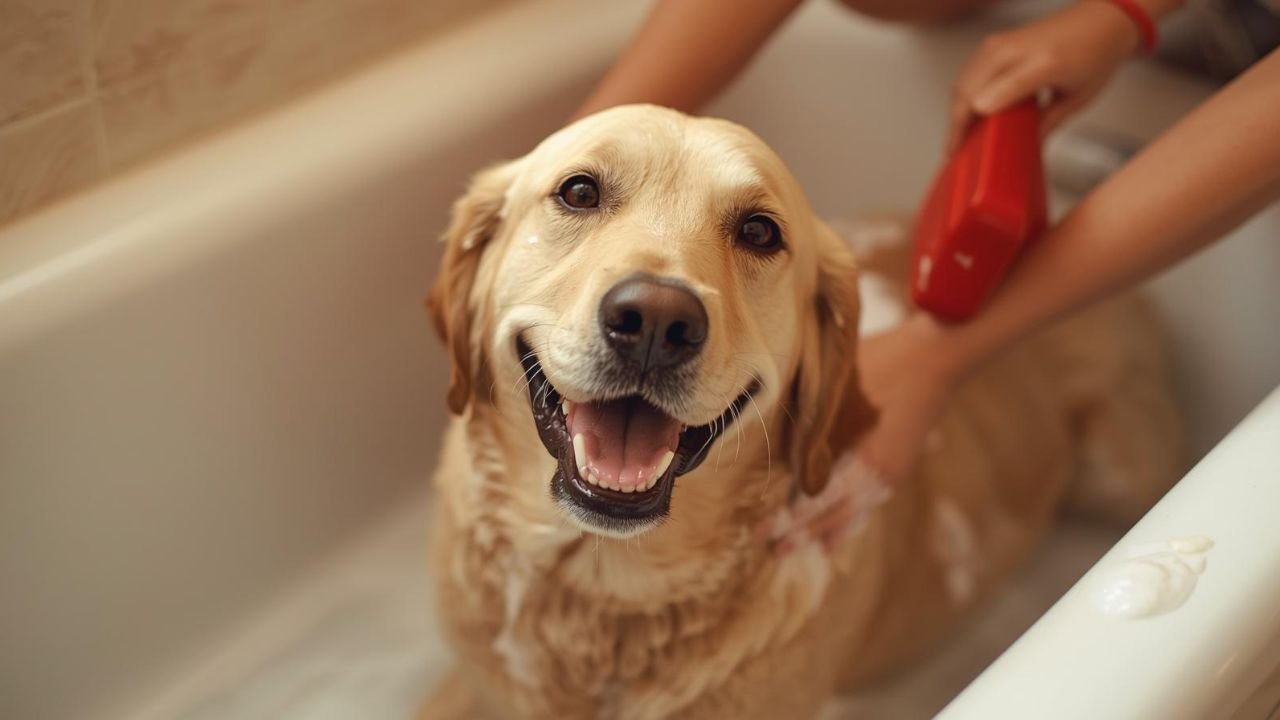
If you’re a proud Labrador Retriever owner, you already know the immense joy these intelligent, energetic, and loyal dogs bring to our lives. Yet, beyond their playful antics and unwavering companionship, there’s a crucial aspect of their care that’s often underestimated: grooming. Perhaps you’ve wondered if you’re truly doing enough to maintain your Labrador’s iconic coat, or felt overwhelmed by the persistent challenge of shedding. This guide aims to transform your approach to Labrador Retriever grooming, turning it from a mere chore into a rewarding ritual that ensures your furry friend not only looks great but feels fantastic.
Grooming your Labrador Retriever is far more than just about looks; it’s a fundamental pillar of their overall health and well-being. Regular grooming maintains skin and coat health, actively preventing issues such as matting (rare in Labs but possible with neglect), skin irritations, and infections. It also offers a prime opportunity for owners to conduct routine health checks, enabling early detection of lumps, bumps, parasites, or other abnormalities that might otherwise go unnoticed.
Beyond health, consistent grooming, especially brushing, significantly reduces the amount of shedding in your home – a major relief for many Labrador owners. This routine also deepens the bond between you and your dog, fostering trust and positive interaction. As the American Veterinary Medical Association highlights, grooming isn’t just about looking good; it’s about good health too.
What to Expect from This Essential Guide
This comprehensive guide will equip Labrador owners with the knowledge and practical steps needed to establish an effective Labrador grooming routine. We will delve into the unique characteristics of your Labrador’s double coat, recommend essential grooming tools, provide a detailed step-by-step grooming routine, address common challenges, and advise on when professional grooming services might be beneficial. By the end, you’ll have a clear roadmap to ensure your Labrador’s coat is healthy, shiny, and impeccably managed.
Key Takeaways
- Regular grooming is vital for a Labrador’s health, comfort, and hygiene.
- It helps prevent skin issues, reduces shedding, and allows for early detection of health problems.
- Grooming strengthens the bond between owner and dog.
Understanding Your Labrador’s Unique Double Coat
To truly master Labrador coat care, it’s essential to understand the unique structure of their fur. Unlike many breeds, Labradors possess a distinctive Labrador double coat—a marvel of natural engineering perfectly suited for their original purpose as water retrievers. This specialized coat is the reason for their resilience in various climates and, indeed, also the reason for their notorious shedding.
The Anatomy of a Labrador’s Double Coat: Guard Hairs and Undercoat
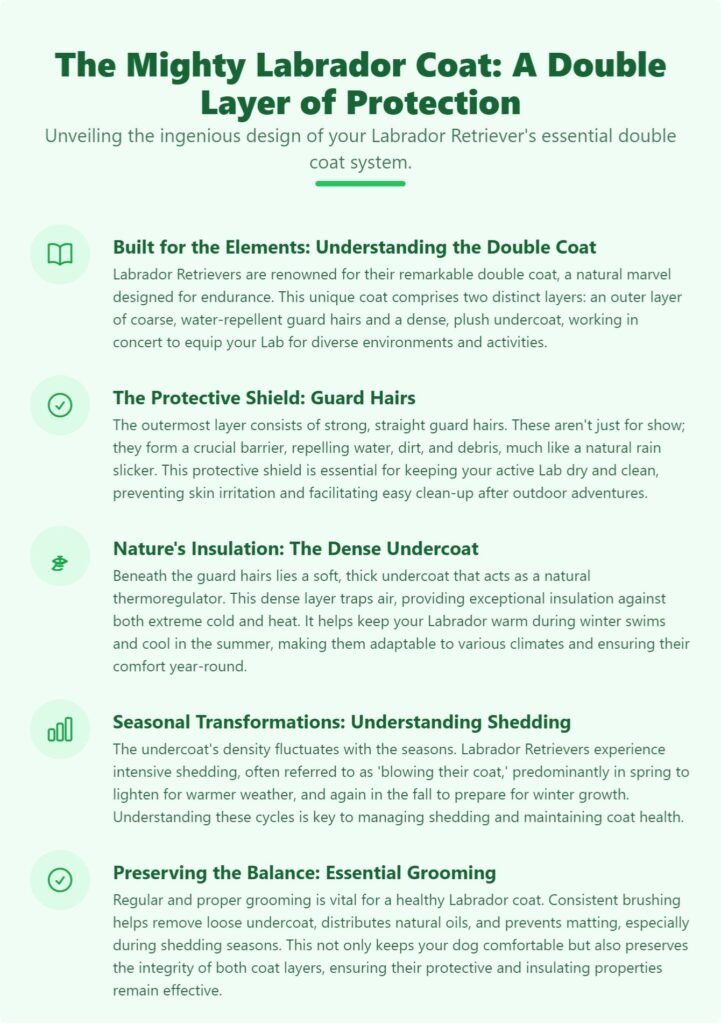
A Labrador’s coat consists of two distinct layers, each serving a vital function. The outer layer comprises coarse, straight, and water-resistant guard hairs. These hairs act as a protective shield, repelling water, snow, and debris, and safeguarding your Labrador’s skin from environmental elements like thorns or harsh weather. Beneath this protective layer lies the soft, dense, and insulating undercoat. This fluffy layer traps air close to the body, providing exceptional thermal insulation that keeps your Labrador warm in cold water and cool in warmer temperatures. This dual-layer system ensures the Labrador remains warm and dry even after prolonged exposure to water, a characteristic proudly noted by the AKC.
Decoding Labrador Shedding: Seasonal Cycles and What’s Normal
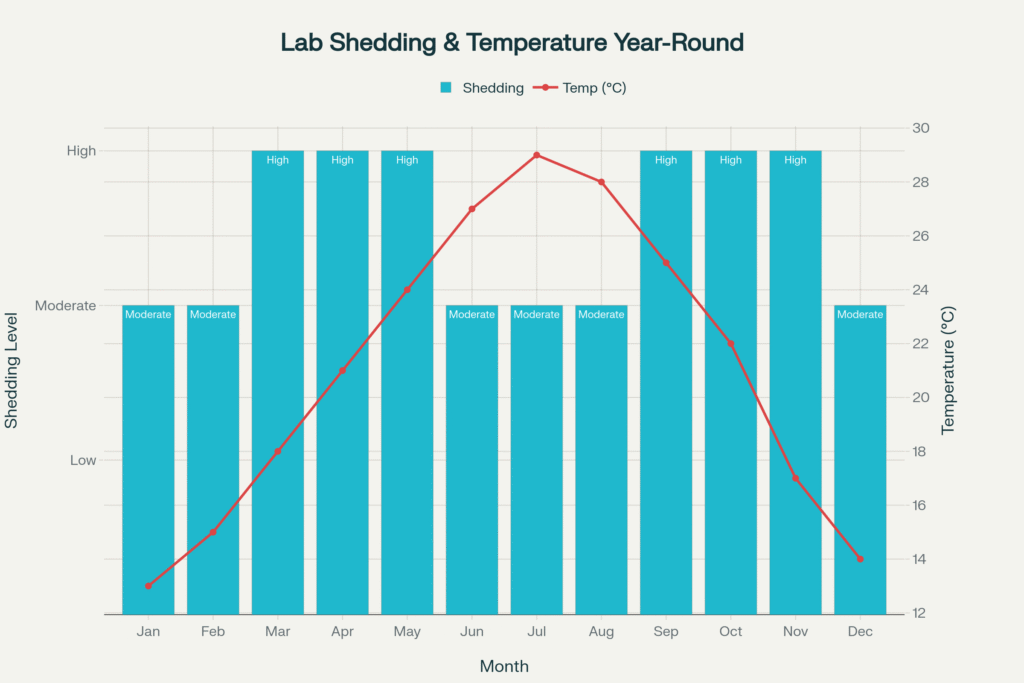
If you own a Labrador, you’re undoubtedly familiar with Labrador shedding. It’s a natural and continuous process, but it intensifies significantly during specific periods. Labradors are known as moderate to heavy shedders year-round, with two major ‘blows’ of their coat occurring seasonally, typically in spring and fall. During these ‘blows,’ they shed their entire undercoat to adapt to changing temperatures. The spring ‘blow’ removes the heavy winter undercoat, while the fall ‘blow’ prepares them for growing a denser winter coat. As VCA Hospitals explains, this seasonal shedding is a normal physiological process. While it can seem like a never-ending battle, understanding these cycles helps you anticipate and manage shedding more effectively through consistent grooming.
Common Coat Issues to Watch For
While a Labrador’s double coat is robust, it’s not immune to problems. Regular grooming allows you to monitor for common coat issues, such as:
- Dry skin, which might manifest as flakiness or itching, often exacerbated by environmental factors or diet.
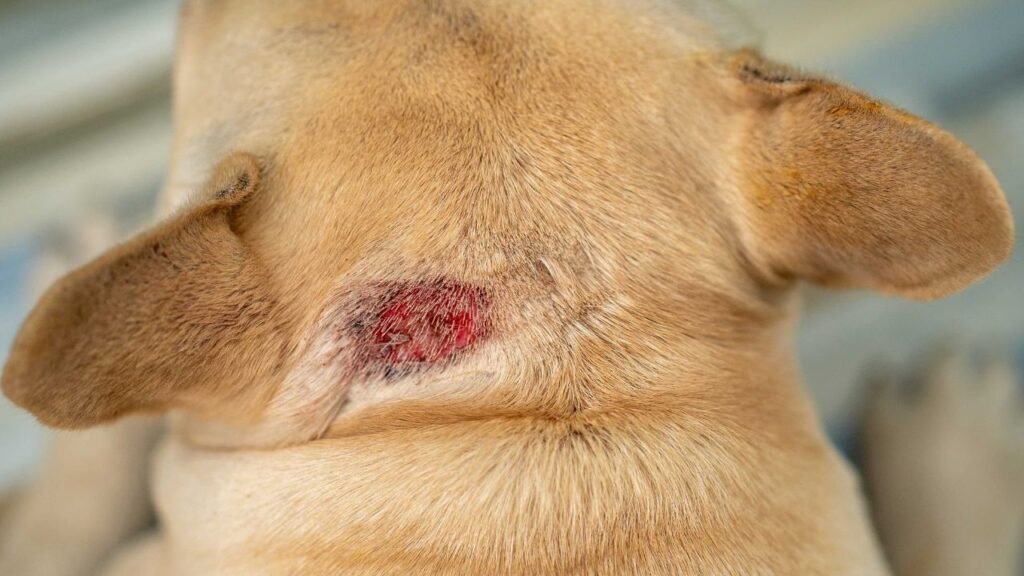
- Hot spots (acute moist dermatitis), appearing as red, inflamed, often oozing lesions caused by excessive licking or chewing. These can develop rapidly, especially in warm, moist conditions or if the undercoat isn’t properly dried after swimming.
- Allergies, both environmental and food-related, which can present as skin irritations, excessive scratching, or a dull coat.
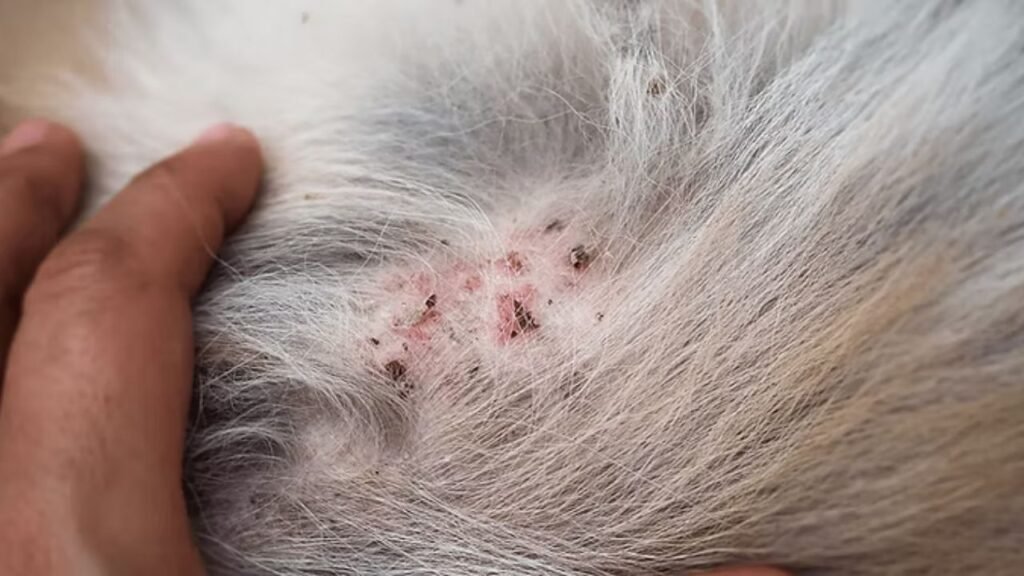
- Matting (though rare), which can sometimes occur if the undercoat is severely neglected during heavy shedding, particularly behind the ears or on the hindquarters.
Early detection of these issues through regular grooming is key to prompt treatment and preventing discomfort for your Labrador.
Key Takeaways
- Labradors have a double coat: protective guard hairs and an insulating undercoat.
- They shed year-round, with heavy seasonal ‘blows’ in spring and fall.
- Watch for dry skin, hot spots, allergies, and potential matting.
Essential Grooming Tools for Your Labrador Retriever
Having the right selection of Labrador grooming tools is paramount to an effective and stress-free grooming routine. Investing in quality tools will not only make the process easier for you but also more comfortable for your Labrador, ensuring their Labrador coat care is top-notch.
Brushes: The Right Tool for Every Job
Brushing is the cornerstone of Labrador grooming, and different brushes serve different purposes. You’ll want a selection to tackle various aspects of their coat maintenance.
Deshedding Tools (e.g., Furminator-style)
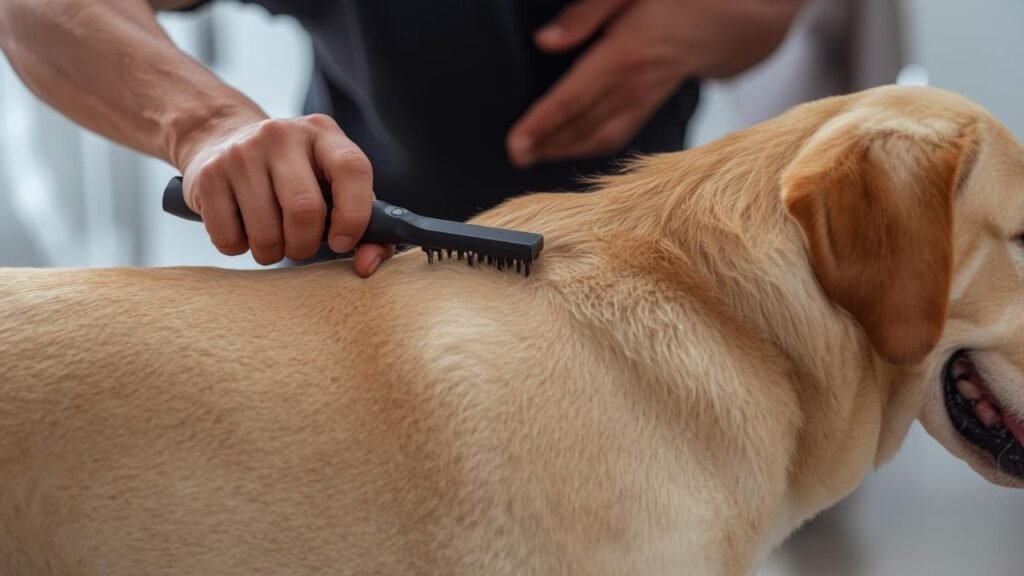
These specialized tools are designed to reach deep into your Labrador’s undercoat and effectively remove loose, dead hair without damaging the topcoat. Deshedding tools like the FURminator are highly effective for removing loose undercoat, especially during seasonal shedding. However, they should be used sparingly (for example, once a week or less) to avoid irritating the skin or damaging the guard hairs, as advised by PetMD. Overuse can strip the protective guard hairs or cause brush burn, so always use with a light hand and follow manufacturer instructions.
Slicker Brushes for Detangling and Removing Loose Hair
Slicker brushes feature fine, short wires packed closely together on a flat surface. They are excellent for removing surface-level loose hair, minor tangles, and debris from the topcoat. While Labradors don’t typically get matted like long-haired breeds, a slicker brush can help smooth the coat and catch any stray hairs the deshedding tool might miss, leaving the coat looking neat and tidy.
Rubber Curry Brushes for Bathing and Gentle Massage
A rubber curry brush, often shaped like a mitt or with short rubber nubs, is a versatile tool. It’s fantastic for stimulating the skin and loosening dirt and dead hair before a bath. During bathing, it helps work shampoo through the dense coat and provides a gentle massage, making the experience more enjoyable for your dog. It’s also great for a quick daily rub-down to remove loose hairs without being overly aggressive.
| Brush Type | Description | Primary Use for Labradors | Frequency |
|---|---|---|---|
| Deshedding Tool (e.g., FURminator) | Blade with fine teeth designed to reach deep into the undercoat. | Removes loose undercoat, significantly reduces shedding. | 1-2 times per week, more during seasonal ‘blows’. |
| Slicker Brush | Flat brush with fine, short wire bristles. | Removes surface-level loose hair, minor tangles, smooths topcoat. | 2-3 times per week. |
| Rubber Curry Brush | Rubber mitt or brush with soft rubber nubs. | Stimulates skin, loosens dirt/dead hair, works shampoo, gentle massage. | Daily for quick grooming, during baths. |
Shampoos and Conditioners: Choosing Wisely
Never use human shampoo on your dog, as their skin pH differs significantly from ours. Always opt for dog-specific formulas.
| Product Type | Description | Best For | Key Benefit |
|---|---|---|---|
| Hypoallergenic/Sensitive Skin Shampoo | Free of harsh chemicals, dyes, and fragrances. | Labradors with sensitive skin, allergies, or irritation. | Soothes and protects delicate skin. |
| Deshedding Shampoo/Conditioner | Formulated to help release undercoat during bathing. | During heavy shedding seasons. | Makes subsequent brushing more effective, reduces loose hair. |
| Oatmeal-Based/Moisturizing Shampoo | Contains oatmeal or other hydrating ingredients. | Labradors with dry, itchy skin or for general coat health. | Soothes skin, replenishes essential oils, leaves coat soft and shiny. |
Nail Care Essentials: Clippers vs. Grinders
Regular Labrador nail trimming is crucial for your dog’s comfort and health. You’ll need to decide between clippers or a grinder, or even use both.
| Tool Type | Description | Pros | Cons |
|---|---|---|---|
| Guillotine-Style Clippers | Blade slides across a small hole to cut the nail. | Quick, efficient for medium to large nails. | Requires steady hand, risk of cutting the quick. |
| Scissor-Style Clippers | Two blades come together like scissors to cut. | Easier to maneuver for some, good for thicker nails. | Requires steady hand, risk of cutting the quick. |
| Dremel-Style Grinders | Rotating abrasive head files down the nail gradually. | Reduces risk of cutting the quick, smoother finish, less intimidating for some dogs. | Creates buzzing sound/vibration, takes longer, requires desensitization. |
Ear Cleaning Solutions and Supplies
Labradors, with their floppy ears, are prone to ear infections, making regular cleaning a necessity.
| Supply | Description | Purpose | Important Note |
|---|---|---|---|
| Veterinarian-Approved Ear Cleaner | Liquid solution formulated for dogs’ ear canals. | Breaks down wax and debris, prevents infections. | Always use dog-specific and vet-recommended. |
| Cotton Balls or Soft Cloths | Absorbent material for wiping. | Wipes away debris and excess cleaner from outer ear. | NEVER use Q-tips or cotton swabs inside the ear canal. |
Other Handy Grooming Aids
A few additional items can make your grooming sessions smoother and more effective.
- High-Absorbency Towels or Dog Dryers: Labradors have dense coats that retain a lot of water. High-absorbency towels are a must for post-bath drying. A forced-air dog dryer (not a human hairdryer, which can be too hot) can significantly speed up drying time and help blow out loose undercoat.
- Treats for Positive Reinforcement: Grooming should be a positive experience. Keep a stash of your Labrador’s favorite treats on hand to reward good behavior during each step of the grooming process.
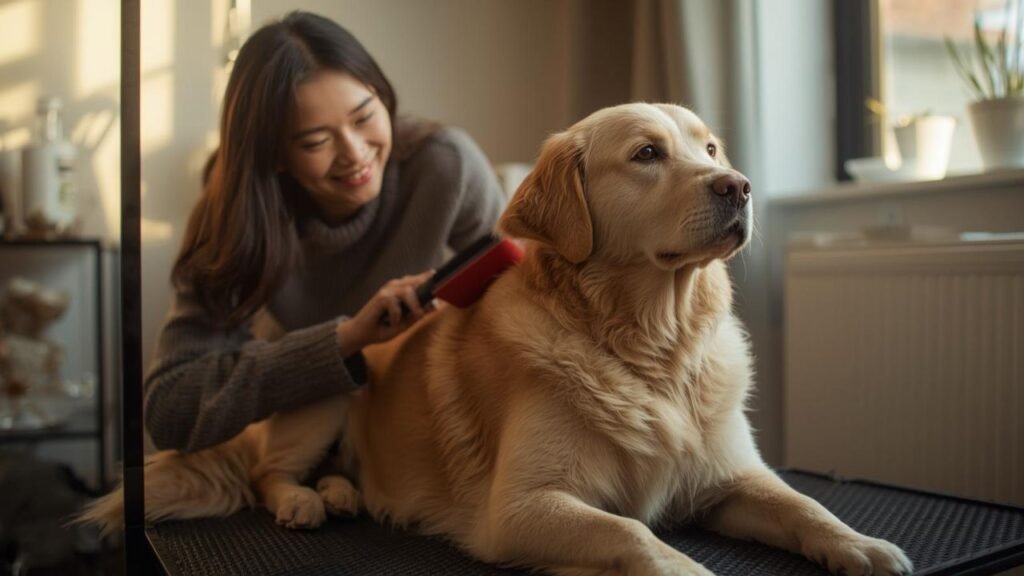
- Grooming Table or Non-Slip Mat: A sturdy grooming table with a non-slip surface can elevate your dog to a comfortable working height, saving your back. If a table isn’t an option, a non-slip mat in the bathtub or on the floor will provide stability and prevent slips, making your dog feel more secure.
Key Takeaways
- Invest in quality deshedding, slicker, and curry brushes.
- Use dog-specific shampoos: hypoallergenic, deshedding, or moisturizing.
- Choose between guillotine/scissor clippers or a grinder for nail care.
- Always use vet-approved ear cleaner with cotton balls, never Q-tips.
- High-absorbency towels, treats, and a non-slip surface enhance the experience.
The Step-by-Step Labrador Grooming Routine
Establishing a consistent and thorough Labrador grooming routine is key to maintaining their health and happiness. This comprehensive guide will walk you through each essential step, ensuring your Labrador’s coat care is always at its best.
Step 1: Brushing – The Foundation of Labrador Coat Care
Brushing is arguably the most important and frequent grooming task for your Labrador. It helps manage Labrador shedding, prevents minor tangles, and distributes natural oils for a healthy, shiny coat.
Frequency and Best Practices for Brushing
For most Labradors, brushing 2-3 times a week is sufficient to maintain coat health and manage shedding. During seasonal ‘blows,’ daily brushing may be necessary to keep up with the increased hair loss, as recommended by the AKC. Always brush in a calm environment, making it a positive experience with praise and treats.
Effective Techniques for Managing Labrador Shedding
To effectively manage shedding, start with a deshedding tool. Work in sections, brushing with the grain of the hair, applying gentle pressure. Focus on areas with dense undercoat like the back, sides, and hindquarters. Follow up with a slicker brush to remove any remaining loose hairs from the topcoat and smooth the fur. Finish with a rubber curry brush for a gentle massage and to stimulate the skin. For maximum impact during heavy shedding, consider brushing outdoors to contain the flying fur.
Addressing Mats and Tangles (Rare but Possible)
While Labradors are not prone to severe matting, small tangles can occur, especially behind the ears or where harnesses rub. If you encounter a tangle, gently try to tease it apart with your fingers. If it’s stubborn, use a slicker brush or a wide-toothed comb, working from the outside of the tangle inwards. For very tight mats, a mat splitter or blunt-nosed scissors can be used very carefully, cutting in the direction of the hair growth, away from the skin. If in doubt, consult a professional groomer to avoid injuring your dog.
Step 2: Bathing Your Labrador – Making it a Splash
Bathing is an important part of the routine, but it doesn’t need to be frequent. Labradors generally do not require frequent bathing—usually every 1-3 months, or when they are visibly dirty or smelly. Over-bathing can strip natural oils, leading to dry skin, as noted by PetMD.
Pre-Bath Preparations: Brushing and Gathering Supplies
Before the bath, give your Labrador a thorough brushing to remove as much loose hair and dirt as possible. This prevents hair from clogging drains and makes the shampoo more effective. Gather all your supplies: shampoo, conditioner, towels, cotton balls for ears, and treats.
Choosing the Right Location and Water Temperature
A bathtub or a large utility sink works well. Ensure the water is lukewarm—not too hot, not too cold. Place a non-slip mat in the tub to help your Labrador feel secure.
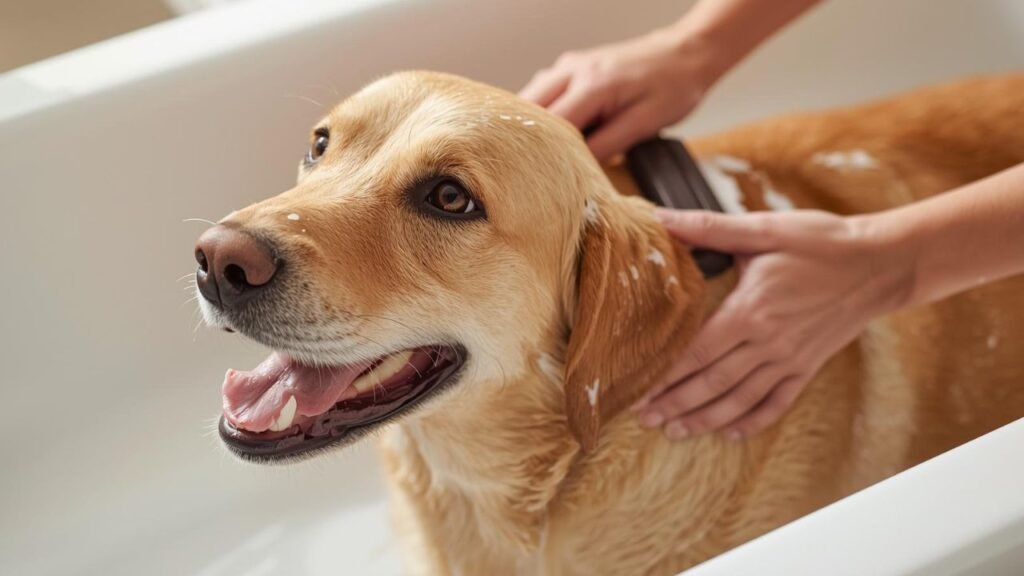
The Bathing Process: Wet, Lather, Rinse Thoroughly
- Wet Thoroughly: Use a shower sprayer or a cup to completely wet your Labrador’s coat from head to tail, being careful around the eyes and ears.
- Apply Shampoo: Apply a generous amount of dog-specific shampoo, starting from the neck and working your way down to the tail and legs. Lather well, using a rubber curry brush to work the shampoo deep into the undercoat and massage the skin.
- Rinse Meticulously: This is the most crucial step. Rinse, rinse, and rinse again until no suds or residue remain. Shampoo residue can irritate the skin and lead to flakiness. Pay extra attention to the dense areas and under the legs.
- Apply Conditioner (Optional): If using a conditioner, apply it now, let it sit for the recommended time, and then rinse thoroughly.
Drying Your Labrador: Towel, Air Dry, or Forced Air Dryer
After rinsing, allow your Labrador to shake off excess water. Then, use high-absorbency towels to blot and rub their coat dry. For a quicker and more thorough dry, especially during colder months, a forced-air dog dryer can be used. Keep the dryer moving and avoid concentrating heat in one spot. Ensure your Labrador is completely dry, especially the undercoat, to prevent skin issues like hot spots.
Step 3: Nail Trimming – Keeping Paws Healthy
Regular Labrador nail trimming is vital for their comfort and long-term health.
Why Regular Nail Trimming is Crucial for Labradors
Untrimmed nails can cause pain, lead to splayed toes, and even affect a Labrador’s gait and posture. When nails grow too long, they push up into the nail bed, causing discomfort and potentially leading to infections or permanent damage to the paw structure. Aim to trim nails every 3-4 weeks, or when you hear them clicking on hard floors, as advised by VCA Hospitals.
Identifying the Quick: A Guide to Safe Trimming
Inside each nail is the ‘quick,’ a sensitive area containing blood vessels and nerves. Cutting into the quick is painful and will cause bleeding. On light-colored nails, the quick appears as a pinkish area. On dark nails, it’s harder to see; look for a small, dark dot in the center of the cut surface. Always trim small amounts at a time, just the tip, to avoid the quick. If you accidentally cut the quick, apply styptic powder or cornstarch to stop the bleeding.
Step-by-Step Nail Trimming with Clippers or Grinder
- Position Your Dog: Have your Labrador lie down or sit comfortably. Hold their paw firmly but gently.
- Isolate the Nail: Push the paw pad up slightly to extend the nail.
- Trim with Clippers: Hold the clipper perpendicular to the nail and snip off only the very tip, just before the quick. Repeat for all nails.
- Grind (if using a Dremel): Turn on the grinder (let your dog get used to the sound first). Gently touch the rotating head to the tip of the nail, filing it down in short bursts to avoid heat buildup. Smooth the edges.
- Reward: Offer praise and treats generously after each paw or even each nail.
Making Nail Trimming a Positive Experience
Start nail trimming when your Labrador is young. Introduce the tools gradually, letting them sniff and investigate. Touch their paws frequently. Keep sessions short and positive, always ending with a treat and praise, even if you only manage one nail. Consistency and patience are key.
Step 4: Ear Cleaning and Eye Care
These small but important steps prevent common health issues.
Preventing Ear Infections: Gentle Cleaning Techniques
Labradors are prone to ear infections due to their floppy ears, which can trap moisture and debris. Clean ears weekly or bi-weekly, especially after swimming, as recommended by the AKC. Here’s how:
- Apply Cleaner: Gently lift your Labrador’s ear flap and squirt a veterinarian-approved ear cleaner into the ear canal.
- Massage: Gently massage the base of the ear for about 30 seconds to help the cleaner break down wax and debris. You’ll hear a squishing sound.
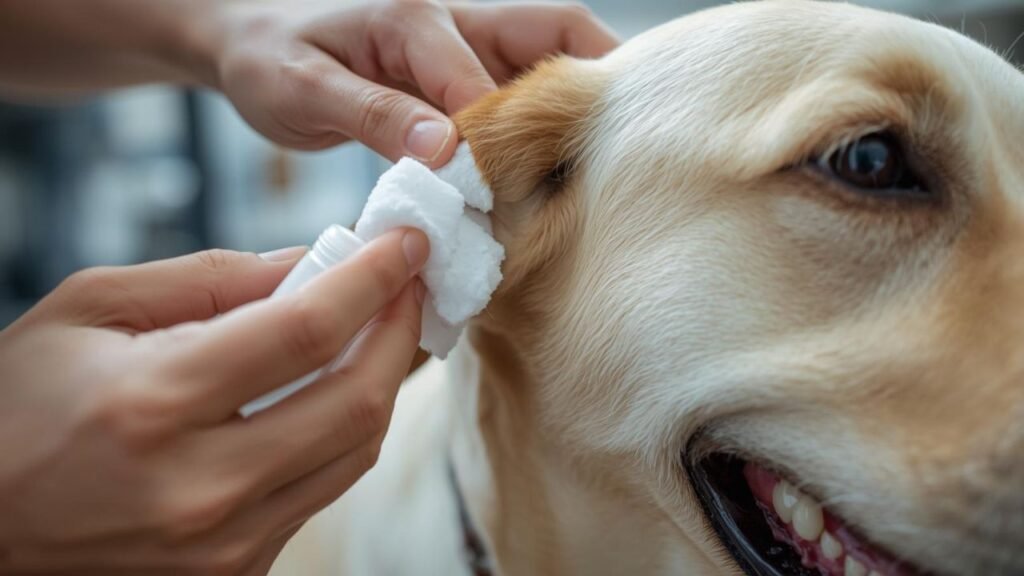
- Wipe: Allow your dog to shake their head (stand back!). Then, use a cotton ball or soft cloth to wipe away any visible dirt and excess cleaner from the outer ear flap and the entrance to the ear canal. Never insert anything into the ear canal itself.
Wiping Away Eye Discharge: Simple and Safe
Some Labradors may have minor eye discharge. Use a soft, damp cloth or a specialized pet eye wipe to gently clean around the eyes, wiping away any crust or discharge. Always wipe away from the eye, and use a fresh part of the cloth for each eye to prevent spreading any potential infection.
Step 5: Dental Hygiene (Brief Mention)
While not strictly a ‘grooming’ task, dental hygiene is crucial for overall health.
The Importance of Regular Teeth Brushing
Regular teeth brushing with dog-specific toothpaste helps prevent plaque and tartar buildup, which can lead to gum disease and other serious health issues. Aim for daily brushing if possible, or at least a few times a week. Introduce it slowly and make it a positive experience.
Key Takeaways
- Brush 2-3 times weekly (daily during shedding) to manage coat and shedding.
- Bathe every 1-3 months, always brushing first and rinsing thoroughly.
- Trim nails every 3-4 weeks, being careful to avoid the quick.
- Clean ears weekly/bi-weekly with vet-approved cleaner and cotton balls.
- Gently wipe eye discharge and prioritize regular dental care.
Common Labrador Grooming Challenges and Solutions
Even with the best intentions and tools, grooming your Labrador can present its unique set of challenges. Understanding these common hurdles and knowing how to address them will make your grooming journey smoother and more effective.
Managing Excessive Shedding Beyond Routine Brushing
While regular brushing is your primary defense against Labrador shedding, sometimes it feels like it’s not enough. If you’re overwhelmed by the amount of hair, consider these additional Labrador shedding solutions:
- Dietary Supplements: Omega-3 and omega-6 fatty acid supplements (like fish oil) can significantly improve coat health and reduce excessive shedding by strengthening hair follicles. Consult your vet for appropriate dosages.
- Professional Deshedding Treatments: A professional groomer has specialized tools and techniques, including high-velocity dryers and professional-grade deshedding shampoos, that can remove a remarkable amount of loose undercoat in one session.
- High-Quality Diet: Ensure your Labrador is on a premium dog food diet. A diet rich in essential nutrients supports a healthy coat and can minimize shedding caused by poor nutrition.
- Regular Vacuuming: While not a grooming solution for your dog, a powerful vacuum cleaner designed for pet hair is an essential tool for maintaining a hair-free home, especially during seasonal ‘blows.’
Labrador Retriever characteristics: Traits & Temperament
Dealing with Skin Irritations, Allergies, and Hot Spots
Labrador skin issues can be frustrating for both you and your dog. Early intervention is key:
- Veterinary Consultation: Any persistent scratching, redness, hair loss, or skin lesions warrant a trip to the vet. They can diagnose underlying allergies (food or environmental), infections, or parasites and prescribe appropriate treatment.
- Hypoallergenic Products: If allergies are suspected, switch to hypoallergenic shampoos and conditioners.
- Topical Treatments: For hot spots, your vet may prescribe medicated sprays or creams. Keeping the area clean and dry, and preventing your dog from licking it (for example, with an E-collar), is crucial for healing.
- Dietary Changes: For food allergies, your vet might recommend an elimination diet or a prescription hypoallergenic diet.
- Environmental Management: If environmental allergies are the cause, regular bathing with a soothing shampoo can help remove allergens from the coat.
Overcoming Reluctance or Fear of Grooming
Some Labradors are naturally wary of grooming tools or the process itself. Grooming a difficult Labrador requires patience and positive reinforcement:
- Start Young: Introduce grooming tools and procedures to puppies early and make it a positive experience with treats and praise.
- Short, Frequent Sessions: Instead of one long, stressful session, break grooming into shorter, more frequent intervals. Focus on one task at a time (for example, just a few minutes of brushing, then a treat).
- Positive Reinforcement: Always associate grooming with positive experiences. Offer high-value treats, praise, and gentle petting throughout the process.
- Desensitize to Tools: Let your Labrador sniff and investigate clippers (turned off), brushes, and the Dremel (turned off, then on at a distance). Gradually bring them closer, rewarding calm behavior.
- Professional Help: If your Labrador’s fear or aggression is severe, consider seeking help from a professional groomer or a certified dog trainer who specializes in fear-based behaviors. They have techniques and facilities to handle anxious dogs safely.
Key Takeaways
- Manage excessive shedding with supplements, professional deshedding, and a quality diet.
- Address skin issues by consulting a vet, using hypoallergenic products, and managing allergies.
- Overcome grooming reluctance with positive reinforcement, short sessions, and early desensitization.
When to Seek Professional Grooming Services
While a consistent home grooming routine is essential, there are times when the expertise of a professional groomer can be invaluable. Knowing when to seek professional Labrador grooming can save you time, stress, and ensure your dog receives specialized care.
Benefits of Professional Groomers for Labradors
Professional groomers offer a range of services and benefits that complement your home routine:
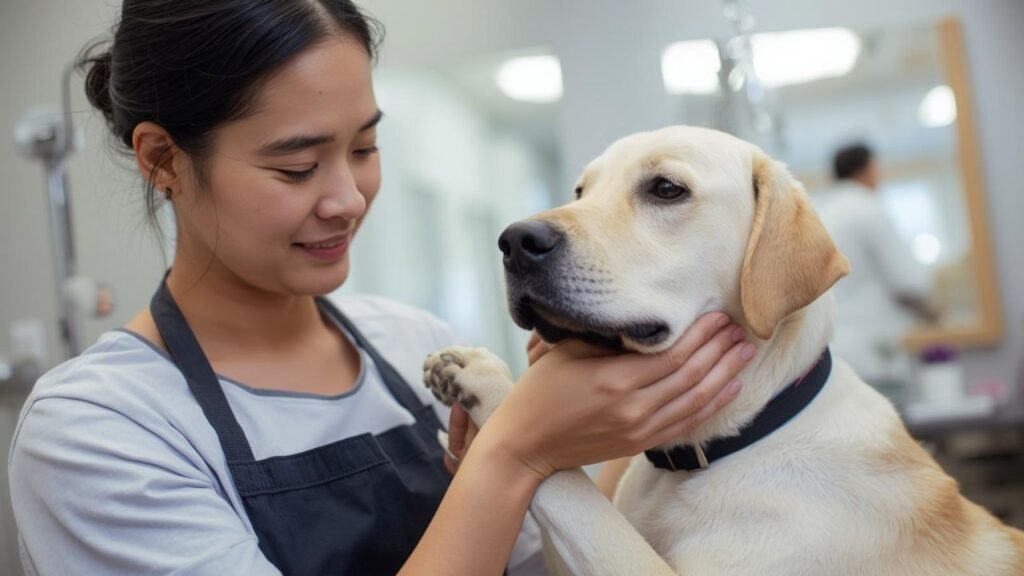
- Expertise and Specialized Tools: Professional groomers are trained to handle all coat types and temperaments. They have access to high-quality, specialized tools, including powerful high-velocity dryers that can significantly reduce drying time and effectively blow out loose undercoat, which is particularly beneficial for Labradors.
- Thorough Deshedding Treatments: Beyond what you can achieve at home, groomers can provide intensive deshedding treatments that remove a vast amount of loose hair, drastically reducing shedding in your home for weeks.
- Anal Gland Expression: This is a delicate procedure that many owners are uncomfortable performing. Professional groomers are trained to safely express anal glands, preventing discomfort and potential health issues.
- Expert Nail Trims: If your Labrador is particularly anxious about nail trims, or if you struggle to avoid the quick, a professional groomer can perform precise and stress-free nail care.
- Early Detection of Issues: Groomers spend a lot of time examining your dog’s skin, coat, ears, and paws, often noticing subtle changes or potential health issues that you might miss, such as lumps, skin infections, or ear problems. As PetMD points out, they can provide services like thorough deshedding and expert nail trims.
Signs It’s Time for a Professional Touch
How do you know when it’s time to call in the pros? Here are some indicators:
- Overwhelmed by Shedding: If you’re constantly battling dog hair despite regular brushing, a professional deshedding treatment can offer significant relief.
- Difficulty with Nail Trims: If your Labrador becomes overly stressed or aggressive during nail trims, or if you’re consistently cutting the quick, a groomer can handle this safely.
- Skin Issues or Hot Spots: While you should always consult your vet first, a groomer can help manage the coat around affected areas and provide specialized baths that aid in healing.
- Matted Undercoat (Rare but Possible): If your Labrador’s undercoat has become matted, especially after swimming and improper drying, a groomer has the tools and expertise to safely remove them without causing pain.
- Lack of Time or Physical Ability: Life happens. If you’re short on time or have physical limitations that prevent you from performing thorough grooming, a professional is a great resource.
What to Expect from a Professional Grooming Session
A typical professional grooming session for a Labrador will usually include:
- Consultation: Discussing your dog’s needs, any concerns, and desired services.
- Thorough Bath: Using professional-grade shampoos and conditioners, often with a hydro-massage system.
- Deshedding Treatment: Extensive brushing and blowing out of the undercoat.
- Nail Trim: Precise clipping or grinding of nails.
- Ear Cleaning: Gentle cleaning of the outer ear.
- Drying: Using high-velocity dryers to ensure the coat is completely dry.
- Final Brush-Out: A finishing brush to ensure a smooth, shiny coat.
Key Takeaways
- Professional groomers offer expertise, specialized tools, and services like deshedding and anal gland expression.
- Consider professional help if shedding is overwhelming, nail trims are difficult, or skin issues arise.
- A professional session typically includes a bath, deshedding, nail trim, and ear cleaning.
Conclusion: A Well-Groomed Labrador is a Happy Labrador
Embarking on a consistent Labrador Retriever grooming journey is one of the most impactful ways you can contribute to your dog’s overall health, comfort, and happiness. It’s more than just maintaining appearances; it’s a proactive approach to their well-being, a shield against common ailments, and a profound expression of your care and love.
Recap of Essential Grooming Practices for a Healthy Coat
To ensure optimal Labrador coat health, remember these core practices:
- Regular Brushing: Make brushing 2-3 times a week (daily during seasonal ‘blows’) the cornerstone of your routine, using appropriate deshedding, slicker, and curry brushes.
- Strategic Bathing: Bathe every 1-3 months, or as needed, always pre-brushing and rinsing thoroughly with dog-specific shampoos.
- Consistent Nail Care: Trim nails every 3-4 weeks to prevent discomfort and maintain proper paw structure.
- Diligent Ear and Eye Care: Clean ears weekly or bi-weekly, especially after water exposure, and gently wipe away eye discharge.
- Dental Hygiene: Don’t forget regular teeth brushing for overall health.
The Rewards of Consistent Grooming: Health, Comfort, and Bonding
The effort you put into grooming your Labrador will be richly rewarded. You’ll enjoy a cleaner home with significantly less shedding, and your Labrador will experience reduced itching, fewer skin issues, and greater comfort. Beyond the physical benefits, these dedicated grooming sessions foster a deeper bond between you and your loyal companion. It’s a time for quiet connection, trust-building, and mutual understanding. A well-groomed Labrador is not just a healthy Labrador; they are a more comfortable, confident, and, ultimately, a happier member of your family.
Key Takeaways
- Consistent grooming is vital for your Labrador’s health, comfort, and happiness.
- Key practices include regular brushing, strategic bathing, nail care, ear/eye cleaning, and dental hygiene.
- The rewards are a healthier dog, a cleaner home, and a stronger bond between you and your Labrador.
Frequently Asked Questions
01. How often should I groom my Labrador Retriever, and what does a typical routine involve?
A consistent grooming routine is vital for your Labrador. You should brush them 2-3 times a week, increasing to daily during seasonal shedding ‘blows’. Bathing is typically needed every 1-3 months, or when visibly dirty, using dog-specific shampoo. Nail trimming should occur every 3-4 weeks, or when you hear their nails clicking on hard floors. Lastly, clean their ears weekly or bi-weekly, especially after swimming, to prevent infections.
02. Why do Labradors shed so much, and what are the best ways to manage excessive shedding?
Labradors have a unique double coat with a protective outer layer and a dense, insulating undercoat. They shed moderately year-round, with two significant “blows” in spring and fall to adapt to temperature changes. To manage this, regular brushing with a deshedding tool (1-2 times per week) and a slicker brush (2-3 times per week) is crucial. Additionally, consider dietary supplements like Omega-3/6 fatty acids, a high-quality diet, and professional deshedding treatments during peak shedding seasons.
03. What essential grooming tools do I need for my Labrador Retriever?
For effective Labrador grooming, you’ll need a deshedding tool (like a FURminator-style brush) for the undercoat, a slicker brush for surface hair and minor tangles, and a rubber curry brush for stimulating skin and bathing. You’ll also need dog-specific shampoos (hypoallergenic, deshedding, or moisturizing), nail clippers (guillotine or scissor-style) or a Dremel-style grinder, and a veterinarian-approved ear cleaner with cotton balls. High-absorbency towels and treats for positive reinforcement are also highly recommended.
04. How can I safely trim my Labrador’s nails and avoid cutting the quick?
Regular nail trimming every 3-4 weeks is crucial. To trim safely, identify the ‘quick’ – the sensitive area containing blood vessels and nerves. On light nails, it’s pink; on dark nails, look for a small, dark dot in the center of the cut surface. Always trim small amounts at a time, just the tip, to avoid the quick. If using clippers, hold them perpendicular to the nail. If using a grinder, file in short bursts to prevent heat buildup. Always reward your Labrador with praise and treats to make it a positive experience.
05. When should I consider taking my Labrador to a professional groomer?
While home grooming is essential, professional groomers offer valuable expertise. Consider professional services if you’re overwhelmed by excessive shedding (they have specialized deshedding treatments), struggle with nail trims (due to your dog’s anxiety or difficulty avoiding the quick), notice persistent skin issues, or if your Labrador’s undercoat becomes matted. Professional groomers also offer services like anal gland expression and can often detect subtle health issues you might miss.