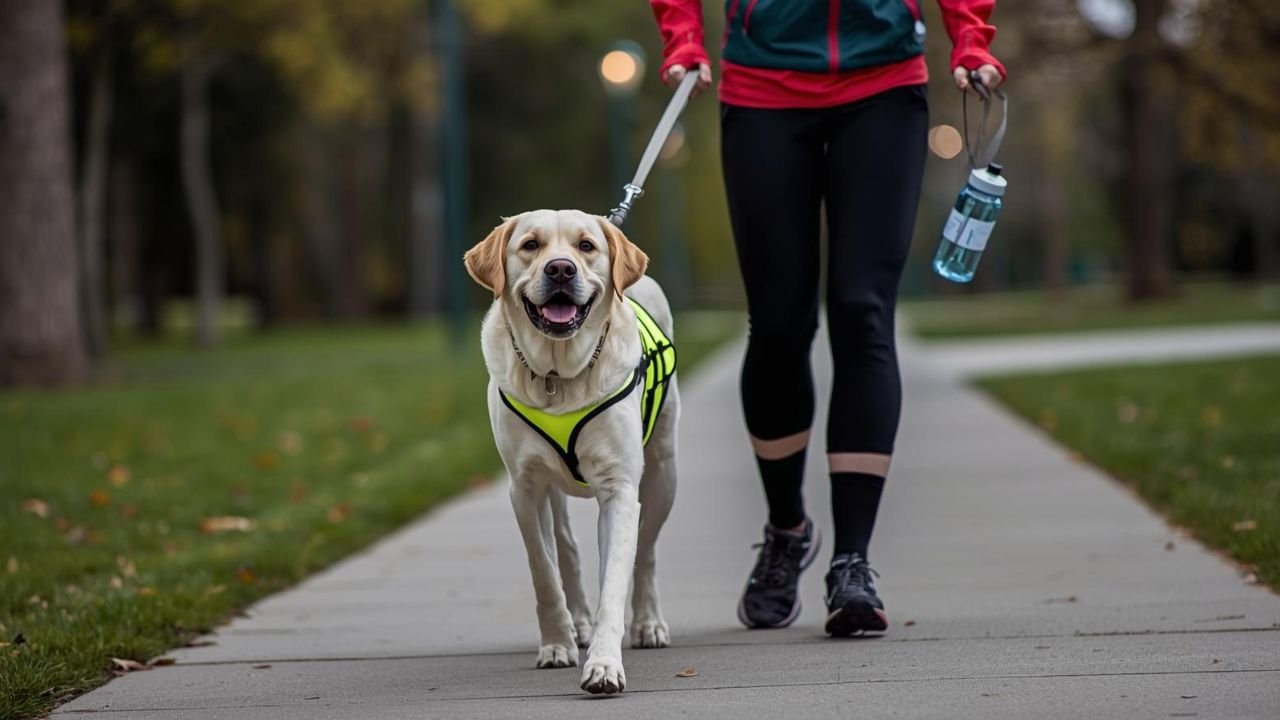
Have you ever wondered why your Labrador Retriever seems to possess an endless well of energy, always ready for the next adventure? This isn’t just a charming quirk; it’s deeply ingrained in their DNA. Originally bred as tireless working dogs, Labradors were designed to retrieve game for hunters, a role that demanded immense stamina, intelligence, and a strong drive to work. This inherent nature means that meeting your Labrador Retriever exercise needs is not merely a recommendation, but a fundamental requirement for their overall well-being. Understanding these labrador energy levels is the first step towards ensuring a happy, healthy, and well-adjusted companion.
Why Exercise is Non-Negotiable for Labradors
Labrador Retrievers are renowned for their high energy levels, intelligence, and strong retrieving drive. This inherent nature dictates that they require significant physical and mental stimulation to thrive. Regular, structured exercise is crucial for maintaining a healthy weight, strengthening muscles and joints, and supporting cardiovascular health. Furthermore, it provides an essential outlet for their natural instincts, preventing boredom and destructive behaviors, as highlighted by the American Kennel Club (AKC). Without adequate exercise, a Labrador’s vibrant spirit can quickly turn into frustration.
The Risks of Insufficient Exercise
A lack of sufficient exercise in Labradors can lead to several detrimental outcomes.
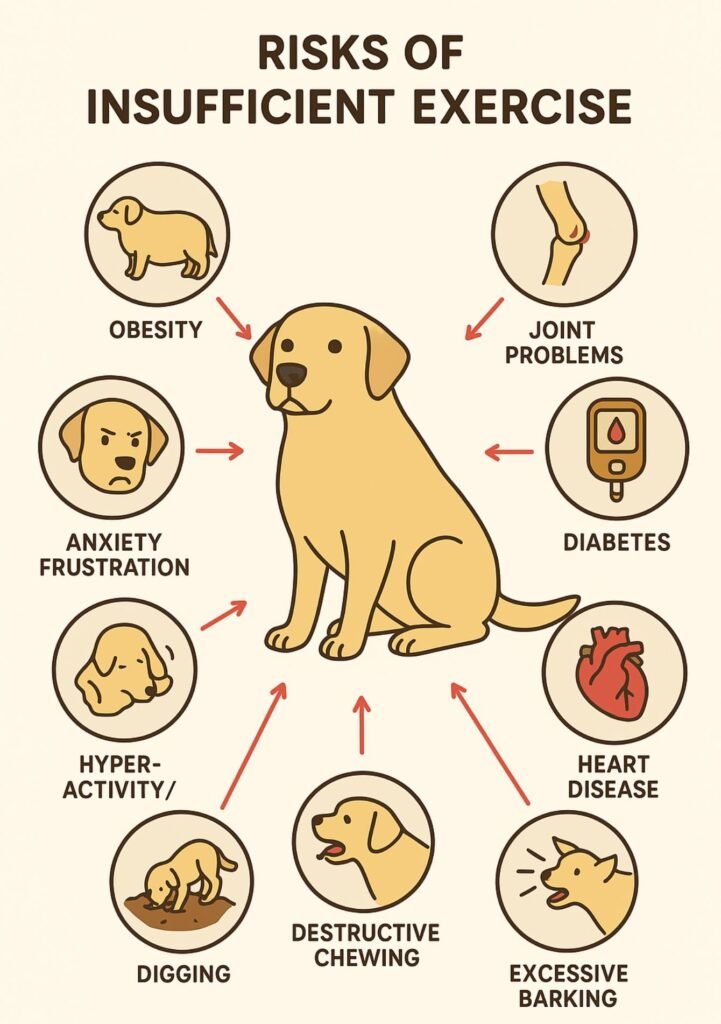
Common Risks of Insufficient Exercise:
- Obesity: Affects an estimated 25-30% of dogs, leading to osteoarthritis, diabetes, and heart disease, according to the Journal of Veterinary Internal Medicine.
- Behavioral Problems: Excessive barking, destructive chewing, digging, and hyperactivity, as the dog seeks alternative ways to expend pent-up energy.
- Mental Health Issues: Increased anxiety or frustration. A study published in the Journal of Veterinary Behavior highlighted that dogs with inadequate exercise often display more anxiety-related behaviors Journal of Veterinary Behavior.
These issues underscore why understanding and consistently meeting your Labrador’s exercise needs are so vital.
Key Takeaways
- Labradors possess high energy and a strong drive for activity, making daily exercise essential.
- Inadequate exercise can lead to obesity, joint problems, and serious health conditions.
- Behavioral issues like destructive chewing and anxiety are often linked to insufficient physical and mental stimulation.
Daily Exercise for Adult Labradors: The Foundation of Health
Once your Labrador has moved past their puppy stage, their exercise requirements shift, but their need for consistent activity remains paramount. Establishing a solid routine of daily exercise for Labradors is the cornerstone of their physical and mental health. It’s about finding the right balance of duration, intensity, and variety to match their robust labrador energy levels.
How Much Exercise Do Adult Labradors Need?
This is one of the most common questions among Labrador owners. The answer isn’t a one-size-fits-all, but clear guidelines exist to ensure you’re providing enough activity.
The \”Rule of Thumb\” for Daily Activity
For most healthy adult Labradors, a general rule of thumb is to aim for at least 60 to 90 minutes of moderate to vigorous exercise per day. This should ideally be broken into two or more sessions, as recommended by Cornell University College of Veterinary Medicine. This duration helps meet their physical demands and prevents the accumulation of excess energy. Remember, it’s not just about the time, but also the intensity and quality of the exercise. A leisurely stroll around the block simply won’t suffice for a high-energy Lab.
Factors Influencing Exercise Duration (Age, Health, Temperament)
Factors Influencing Exercise Duration
| Factor | Influence on Exercise Needs | Considerations |
|---|---|---|
| Age | Younger adults (1-6 years) typically require more intense and longer exercise sessions compared to older or senior Labs. | Adjust intensity and duration as your Lab ages. |
| Health Conditions | Arthritis, heart disease, or respiratory issues necessitate a reduction in intensity and duration. | Often requires veterinary consultation to tailor an appropriate plan, as advised by the American Veterinary Medical Association (AVMA). |
| Temperament | Some Labs are naturally more energetic and require more activity, while others may be more sedate and content with slightly less. | Owners should observe their dog’s stamina and enthusiasm to gauge appropriate levels, ensuring they are meeting their specific Labrador Retriever exercise needs. |
Types of Daily Exercise for Labradors
To provide the best exercises for Labradors, it’s important to incorporate a variety of activities that engage both their body and mind.
| Exercise Type | Benefits | Considerations | |
|---|---|---|---|
| Brisk Walks & Jogging | Cardiovascular benefits and exploration. | For healthy adult Labs, 30-60 minute brisk walk twice a day. Build up jogging gradually to prevent injury. Ensure safe surface and avoid extreme temperatures. | |
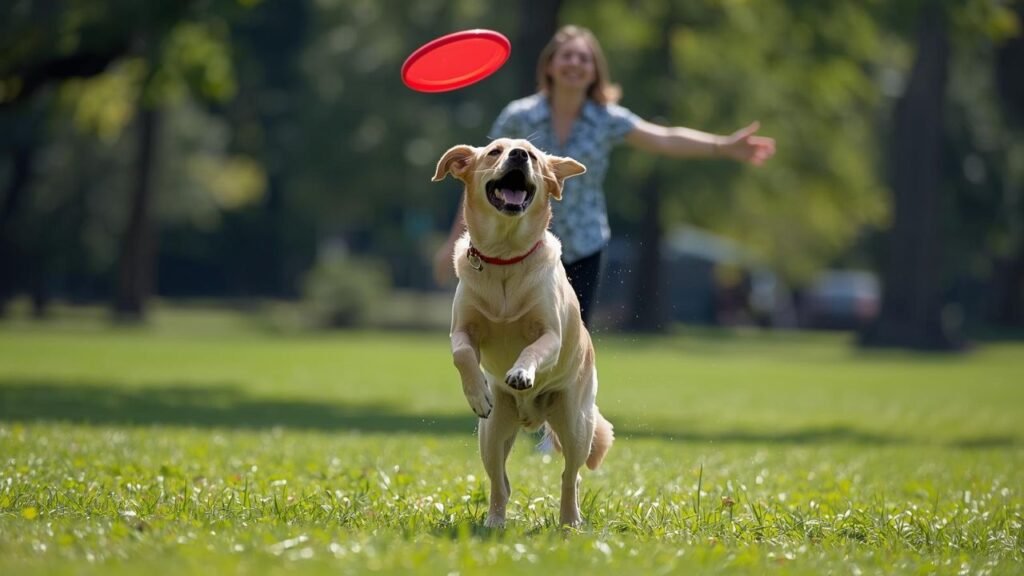
| Fetch & Retrieval Games | Physical exertion and mental engagement, taps into innate desire to retrieve. | 20-30 minute session of vigorous fetch can be as effective as a longer walk. Use balls, frisbees, or dummies in a safe, open area. | |
| Swimming | Excellent low-impact, full-body workout without stressing joints. | Ideal for dogs of all ages, including those with mild arthritis or recovering from injuries (under veterinary guidance). 30-minute swim can be equivalent to a much longer walk. Ensure safety with a life vest if needed and supervise closely. | |
| Interactive Play & Dog Parks | Mental stimulation, strengthens bond, off-leash running, and socialization. | Tug-of-war (with rules to prevent aggression) or hide-and-seek. Ensure your dog is well-socialized and vaccinated before visiting dog parks. |
Structuring Your Labrador’s Daily Routine
A well-structured routine is crucial for managing your Labrador’s significant labrador energy levels and ensuring consistent physical and mental engagement.
Sample Daily Routine:
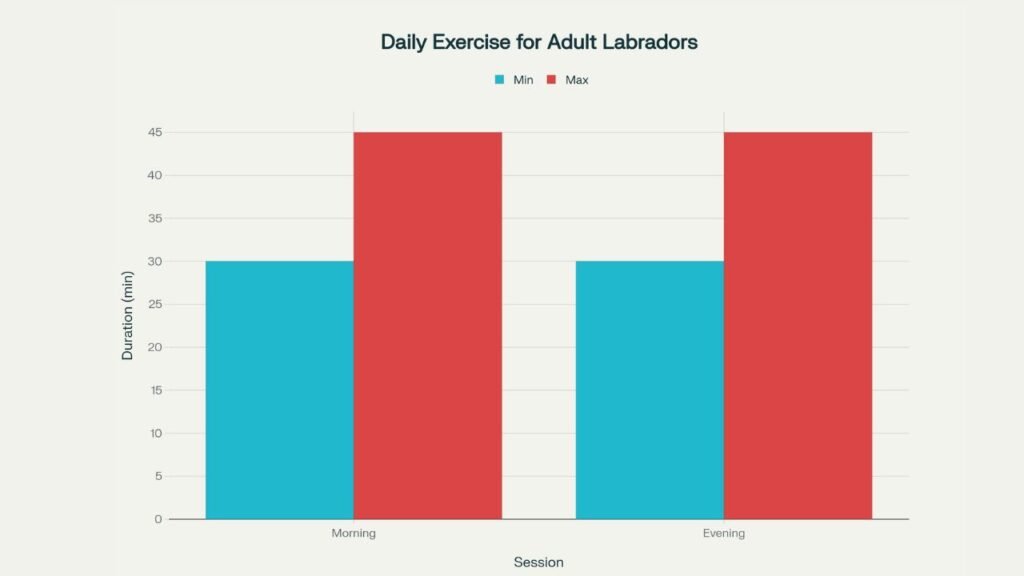
- Morning (30-45 minutes): Vigorous walk or jog to start the day.
- Afternoon (20-30 minutes): Shorter play session or walk.
- Evening (20-30 minutes): Final, more relaxed evening walk or training session.
This distribution helps prevent boredom and ensures consistent energy expenditure throughout the day, as suggested by Preventive Vet. This consistent schedule helps your Lab know what to expect and reduces anxiety.
Incorporating Mental Stimulation
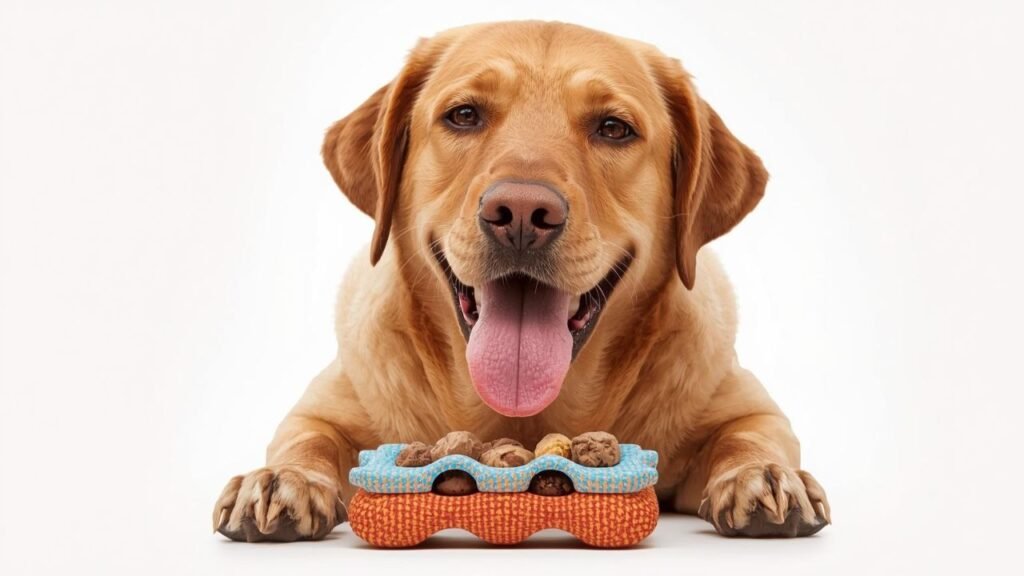
Physical exercise alone is often not enough for intelligent breeds like Labradors. Mental stimulation is equally important to prevent boredom and destructive behaviors. This can include:
- Daily training sessions (10-15 minutes)
- Puzzle toys that dispense treats
- Scent work games (like ‘find it’)
- Learning new tricks
Engaging their minds helps tire them out and keeps them happy, according to Tufts University Cummings School of Veterinary Medicine. Think of it as a brain workout for your clever companion.
Key Takeaways
- Adult Labradors generally need 60-90 minutes of moderate to vigorous exercise daily, split into multiple sessions.
- Exercise needs are influenced by age, health, and individual temperament.
- Brisk walks, jogging, fetch, swimming, and interactive play are excellent exercise types.
- Structure daily routines with morning, afternoon, and evening activities.
- Incorporate mental stimulation through training and puzzle toys to prevent boredom.
Labrador Puppy Exercise Requirements: Nurturing Growth Safely
While adult Labradors are bundles of energy, Labrador puppy exercise requirements are distinctly different and require careful management. Over-exercising a puppy can lead to serious long-term health issues, making a cautious approach essential for their developing bodies.
The \”Five-Minute Rule\” for Puppy Exercise
For Labrador puppies, it is crucial to avoid over-exercising to protect their developing joints and growth plates. The widely accepted \”five-minute rule\” suggests that a puppy should receive 5 minutes of structured exercise per month of age, up to twice a day. For example, a 3-month-old puppy would need 15 minutes of structured exercise, twice daily, as recommended by the AKC. This rule applies to structured activities like walks, not free play in a safe yard where they can self-regulate.
Puppy Age Structured Exercise (per session, twice daily) 2 Months 10 Minutes 3 Months 15 Minutes 4 Months 20 Minutes 5 Months 25 Minutes 6 Months 30 Minutes
Safe Exercise Options for Puppies
When considering Labrador Retriever exercise needs for puppies, focus on low-impact activities that promote healthy development without strain.
| Exercise Option | Description & Benefits | Considerations | |
|---|---|---|---|
| Short Walks & Leash Training | Excellent for physical activity, socialization, and leash training. Focus on exploration and exposure to new sights and sounds. | Should be on soft surfaces like grass to minimize impact on joints. Keep them brief and positive. | |
| Controlled Play Sessions | Supervised interaction with other vaccinated, friendly puppies or adult dogs. Free play in a secure, soft-surfaced yard allows self-regulation. | Sessions should be short (10-15 minutes) and monitored to prevent rough play. | |
| Puppy Socialization Classes | Offers a structured environment for puppies to interact safely with peers and learn appropriate social behaviors. | Often include short play sessions and basic obedience training, providing both mental and light physical stimulation. |
Avoiding Over-Exercising Puppies
The temptation to play endlessly with a cute, energetic puppy is strong, but restraint is key to their long-term health.
Risks to Developing Joints:
Over-exercising a Labrador puppy, especially with high-impact activities like long runs, jumping, or extensive stair climbing, can put undue stress on their still-developing growth plates and joints. This can increase the risk of orthopedic problems later in life, such as hip and elbow dysplasia, which Labradors are already genetically predisposed to, according to the Orthopedic Foundation for Animals (OFA). Growth plates typically close between 12-18 months of age, so caution is advised until then.
Recognizing Signs of Fatigue:
- Excessive panting
- Lagging behind
- Limping
- Reluctance to play
- Seeking a quiet place to rest
If a puppy shows any of these signs, the exercise session should be ended immediately. It’s better to under-exercise a puppy than to over-exercise, as advised by VCA Animal Hospitals.
Key Takeaways
- Follow the \”five-minute rule\” for structured puppy exercise: 5 minutes per month of age, twice daily.
- Safe exercise includes short, controlled walks, supervised play, and puppy socialization classes.
- Avoid high-impact activities to protect developing growth plates and joints, reducing the risk of conditions like hip and elbow dysplasia.
- Monitor puppies for signs of fatigue and stop exercise immediately if observed.
Best Exercises for Labradors: Beyond the Basics
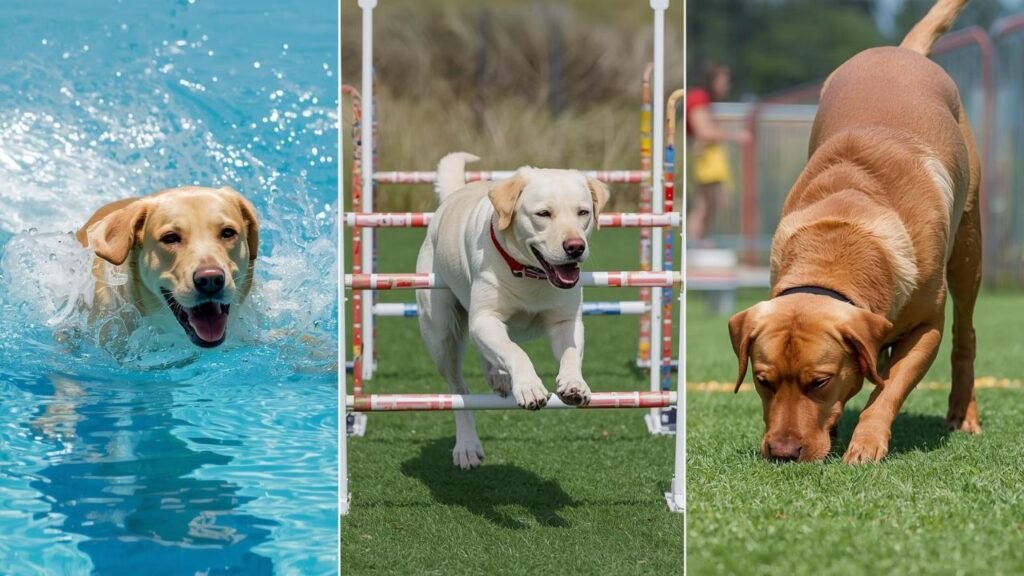
While daily walks and fetch are essential, Labradors thrive on variety and challenges that tap into their natural abilities. Exploring a wider range of activities can provide even more comprehensive physical and mental stimulation, making them some of the best exercises for Labradors.
| Activity | Benefits | Considerations | |
|---|---|---|---|
| Water Activities (Swimming, Dock Diving) | Full-body, low-impact workout; excellent for cardiovascular health and muscle development without stressing joints. Dock diving offers intense physical exertion and mental engagement. | Always ensure safe access to water and supervise closely. | |
| Scent Work & Nose Games | Significant mental stimulation, builds confidence and focus, reduces stress, and improves cognitive function. | Activities like ‘find it’ games, hide-and-seek with treats or toys, or formal K9 Nose Work classes. Excellent for days when physical exercise might be limited. | |
| Agility & Obedience Training | Builds coordination, speed, physical dexterity, mental focus, and a strong bond between dog and owner. | Agility involves guiding through an obstacle course. Obedience training can include complex tricks or competitive obedience. | |
| Hiking & Trail Walking | Offers varied terrain and new scents, providing both physical and mental enrichment. Builds endurance and muscle strength. | Choose dog-friendly trails, be aware of local wildlife, and carry plenty of water. Start with shorter, easier trails and gradually increase duration and difficulty. | |
| Canine Sports (Flyball, Disc Dog) | Provide intense physical workouts, require significant training and coordination, and offer a competitive outlet for energy and drive. | Best suited for adult Labs with no underlying health conditions. |
Key Takeaways
- Water activities like swimming and dock diving are excellent low-impact, full-body workouts.
- Scent work and nose games provide crucial mental stimulation and reduce stress.
- Agility and advanced obedience training build coordination, focus, and strengthen the dog-owner bond.
- Hiking offers varied terrain and endurance building for healthy Labs.
- Canine sports like Flyball and Disc Dog provide intense physical and mental challenges for high-energy individuals.
Addressing Specific Labrador Exercise Needs
While general guidelines for Labrador Retriever exercise needs are helpful, every dog is an individual. Factors like age, weight, and health conditions significantly impact how much exercise for a Labrador is appropriate. Tailoring the approach ensures their safety and maximizes the benefits of their activity.

| Category | Exercise Adaptations | Key Considerations |
|---|---|---|
| Senior Labradors (7+ years) | Shift towards lower-impact activities and shorter, more frequent sessions. Gentle walks, swimming (warm water therapy beneficial), and controlled leash walks are ideal. | Avoid strenuous activities, jumping, or long runs. Warm-ups and cool-downs become even more critical. Consult with a veterinarian to develop an appropriate exercise plan, especially if signs of discomfort or mobility issues are present. |
| Overweight Labradors | Start with low-impact activities like short, frequent walks and swimming to minimize stress on joints. Gradually increase duration and intensity as their fitness improves. | Exercise is a critical component alongside dietary changes. A veterinarian can help establish a safe and effective exercise regimen and monitor progress. |
| Labs with Health Conditions | Requires a tailored exercise plan developed in consultation with a veterinarian. | The vet can assess specific limitations and recommend safe activities, appropriate durations, and warning signs to watch for. Ignoring health conditions during exercise can lead to serious complications. |
| High-Energy vs. More Sedate Labs | High-energy Labs may require extensive, vigorous exercise (canine sports or longer, more intense sessions). More sedate Labs may be satisfied with moderate daily activity. | Owners should observe their individual dog’s personality and adjust the exercise routine accordingly. A dog’s behavior (e.g., destructive chewing, restlessness) can often indicate if their exercise needs are not being met. |
Key Takeaways
- Senior Labradors need adapted exercise: lower-impact, shorter, more frequent sessions, with veterinary consultation.
- Overweight Labs require a gradual increase in low-impact exercise combined with dietary changes for effective weight management.
- Always consult a veterinarian for Labs with health conditions to create a safe and appropriate exercise plan.
- Tailor exercise routines to individual Labrador energy levels, observing their behavior for cues.
Tips for Maximizing Your Labrador’s Exercise Routine
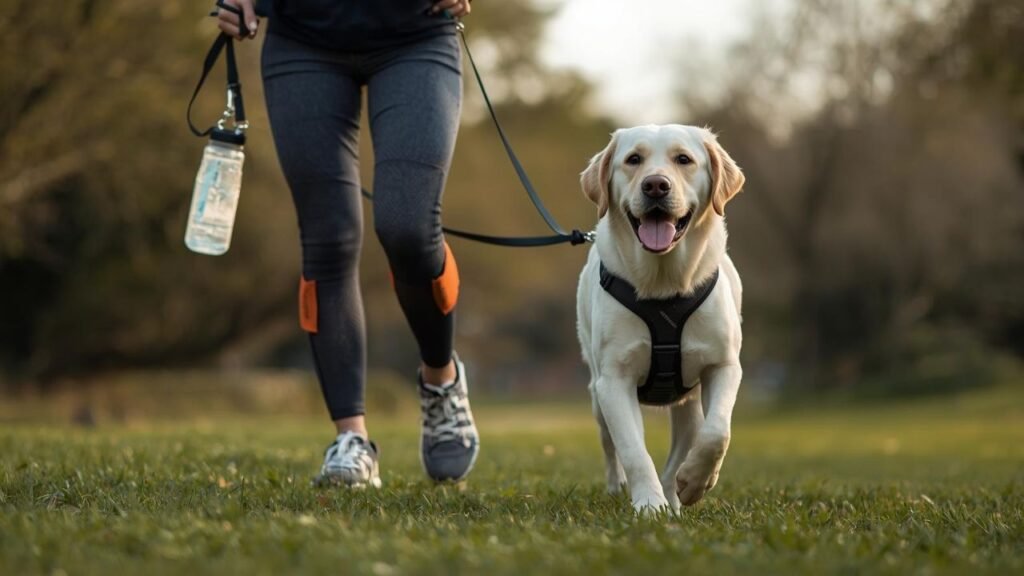
Ensuring your Labrador gets the right amount and type of exercise involves more than just the activities themselves. Implementing smart strategies can significantly enhance their routine, keeping them safe, engaged, and healthy. These tips are crucial for meeting their Labrador Retriever exercise needs effectively.
Tips for Maximizing Your Labrador’s Exercise Routine
- Consistency is Key: Establishing a consistent daily exercise for Labradors routine is paramount. Predictable schedules help manage their energy levels and can reduce anxiety.
- Varying Activities to Prevent Boredom: While consistency in schedule is important, varying the types of activities and locations can prevent boredom and keep your Labrador engaged. Rotating between walks, fetch, swimming, scent games, and new trails offers novel experiences.
- Safety First: Weather, Hydration, and Gear: Prioritize safety during all exercise. In hot weather, exercise during cooler parts of the day and provide ample water. In cold weather, protect paws and consider a coat. Always use appropriate gear (harness, sturdy leash, reflective gear).
- The Importance of Warm-ups and Cool-downs: A 5-10 minute warm-up of gentle walking before vigorous activity prepares muscles and joints. Similarly, a 5-10 minute cool-down of slow walking helps muscles recover and prevents stiffness.
- Monitoring Your Lab’s Energy Levels and Health: Continuously observe your Labrador’s energy levels, enthusiasm for exercise, and overall health. Changes in gait, reluctance to move, excessive panting, or unusual fatigue can be signs of pain, injury, or an underlying health issue.
Key Takeaways
- Maintain a consistent daily exercise schedule for your Labrador.
- Vary activities and locations to prevent boredom and engage different aspects of their physical and mental health.
- Prioritize safety by considering weather conditions, ensuring hydration, and using appropriate gear.
- Incorporate warm-up and cool-down periods to prevent injuries and aid muscle recovery.
- Continuously monitor your Labrador’s energy levels and health, adjusting routines and seeking veterinary advice when necessary.
Conclusion: A Happy Lab is a Well-Exercised Lab
The journey of owning a Labrador Retriever is filled with joy, loyalty, and boundless energy. Understanding and diligently meeting your Labrador Retriever exercise needs is the single most important commitment you can make to their health and happiness. It’s an investment that pays dividends in a well-behaved, healthy, and deeply connected companion.

Recap of Key Principles
- The energetic and intelligent nature of Labrador Retrievers makes daily, appropriate exercise a cornerstone of their health and happiness.
- Adults require 60-90 minutes of daily activity.
- Puppies need careful management following the \”five-minute rule.\”
- Diverse activities from swimming to scent work provide comprehensive benefits.
- Understanding individual needs for seniors, overweight dogs, or those with specific health conditions is crucial, always guided by veterinary advice.
The Lifelong Benefits of Proper Exercise
Committing to a well-structured exercise routine provides lifelong benefits for your Labrador:
- It prevents obesity and related health issues.
- It strengthens muscles and joints, and supports cardiovascular health.
- Beyond the physical, it fosters mental well-being, reducing anxiety and destructive behaviors.
- It significantly enhances the bond between you and your dog.
A well-exercised Labrador is a well-behaved, confident, and joyful companion, as affirmed by Cornell University College of Veterinary Medicine.
Final Encouragement
Embrace the journey of exercising your Labrador. It’s an investment in their health, happiness, and your shared life together. By consistently providing appropriate physical and mental stimulation, you’re not just meeting their needs; you’re enriching their life and strengthening the incredible bond you share. Enjoy every walk, every swim, and every game of fetch – your Labrador will thank you with boundless loyalty and joy.
Labrador Retriever characteristics: Traits & Temperament
Frequently Asked Questions
01. How much exercise does an adult Labrador Retriever need daily?
Adult Labradors typically require 60 to 90 minutes of moderate to vigorous exercise daily, ideally split into two or more sessions. This isn’t just about time; it’s about intensity and quality, as a simple stroll won’t meet their high energy demands.
02. What are the risks if my Labrador doesn’t get enough exercise?
Insufficient exercise can lead to significant health and behavioral problems for Labradors. These include obesity, which can cause osteoarthritis, diabetes, and heart disease. It also often results in behavioral issues like excessive barking, destructive chewing, digging, hyperactivity, and mental health concerns such as increased anxiety or frustration, as they seek outlets for pent-up energy.
03. How should I exercise my Labrador puppy safely?
For Labrador puppies, follow the \”five-minute rule\”: provide 5 minutes of structured exercise per month of age, twice daily (e.g., a 3-month-old needs 15 minutes, twice a day). Focus on low-impact activities like short, controlled walks on soft surfaces, supervised play sessions, and puppy socialization classes. Crucially, avoid high-impact activities like long runs or excessive jumping to protect their developing growth plates and joints.
04. What are some of the best types of exercise for Labradors, beyond just walks?
Beyond brisk walks, Labradors thrive on varied activities that engage their body and mind. Excellent options include vigorous fetch and retrieval games, swimming (a fantastic low-impact, full-body workout), and interactive play at dog parks. For more advanced engagement, consider water activities like dock diving, scent work and nose games for mental stimulation, agility training, hiking, or canine sports like Flyball and Disc Dog.
05. Do senior or overweight Labradors have different exercise needs?
Yes, exercise needs change with age and health. Senior Labradors (7+ years) require lower-impact activities, shorter, more frequent sessions, such as gentle walks or warm water swimming, always with veterinary consultation. Overweight Labradors should also begin with low-impact activities like short walks and swimming, gradually increasing duration and intensity as their fitness improves, alongside dietary changes, under veterinary guidance.