
Welcoming a new puppy into your home marks the beginning of an exciting journey. For many, the charming Chocolate Labrador Retriever stands out as the ideal companion, celebrated for their friendly disposition, boundless energy, and unwavering loyalty. These traits make Chocolate Labs wonderful family pets. However, the process of finding your future furry family member is not always straightforward. The decisions you make when selecting a Labrador puppy can profoundly impact its health, temperament, and your shared life together. This underscores the critical importance of seeking out ethical Chocolate Lab breeders.
Why Responsible Breeding Is Crucial for Your Future Companion
At its core, responsible Labrador breeding represents a profound commitment to the well-being of the breed. Ethical breeders prioritize the overall health, stable temperament, and genetic soundness of their dogs above all else. This dedication directly translates into a healthier, happier, and potentially longer-lived companion for you. Conversely, irresponsible breeding practices, often driven by profit rather than genuine passion, can lead to a myriad of significant and costly health issues, challenging behavioral problems, and immense emotional distress for unsuspecting owners. Recognizing this fundamental difference is the essential first step toward making a fulfilling and ethical puppy purchase.
The Choice Matters: Opting for an ethical breeder means choosing a healthier, happier, and more predictable future with your Chocolate Labrador. It’s an investment in a lifetime of companionship.
The Unique Appeal and Specific Health Considerations of Chocolate Labradors
- Classic Labrador Traits: Outgoing, intelligent, eager to please.
- Distinctive Appeal: Rich, distinctive chocolate coat color.
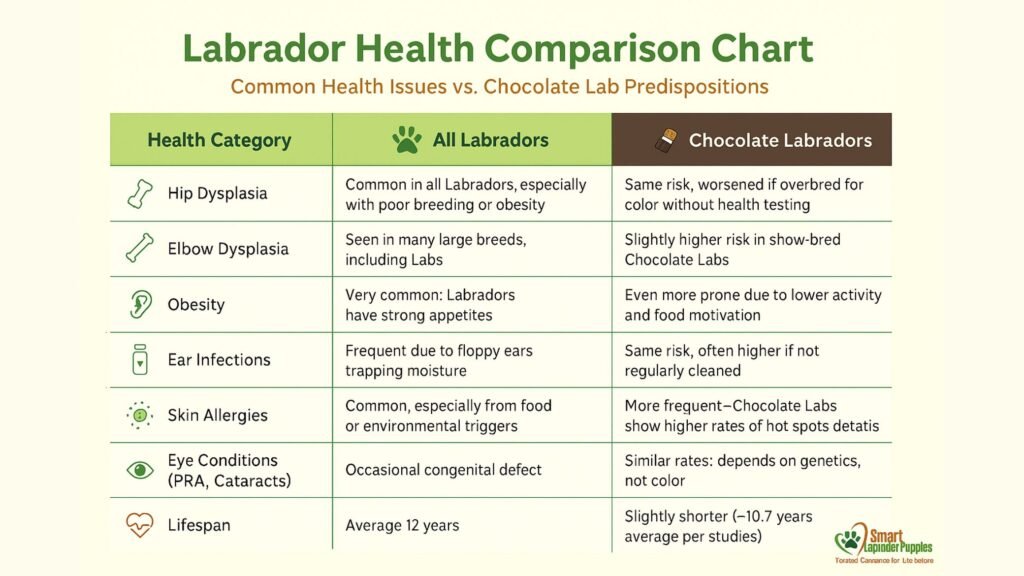
Some research suggests a slightly higher predisposition to certain health concerns, such as ear infections and skin allergies, within this color variation. There is also ongoing discussion regarding a potentially shorter average lifespan compared to their black or yellow counterparts, though more definitive research is still needed. Like all Labradors, they are susceptible to common breed-specific conditions:
- Hip and elbow dysplasia
- Various inherited eye conditions (e.g., Progressive Retinal Atrophy or PRA)
- Exercise-Induced Collapse (EIC)
An ethical breeder will be transparent about these potential risks and actively work to minimize them through meticulous breeding practices.
Defining an Ethical Chocolate Labrador Breeder
Identifying an ethical breeder is paramount to ensuring you welcome a healthy, well-adjusted puppy into your home. These breeders are distinguished by their unwavering commitment to the breed’s welfare, extending far beyond the mere production of puppies. They adhere to stringent ethical dog breeding practices that prioritize health, temperament, and responsible care above all else.
Health Clearances and Genetic Testing: The Foundation of Ethical Breeding
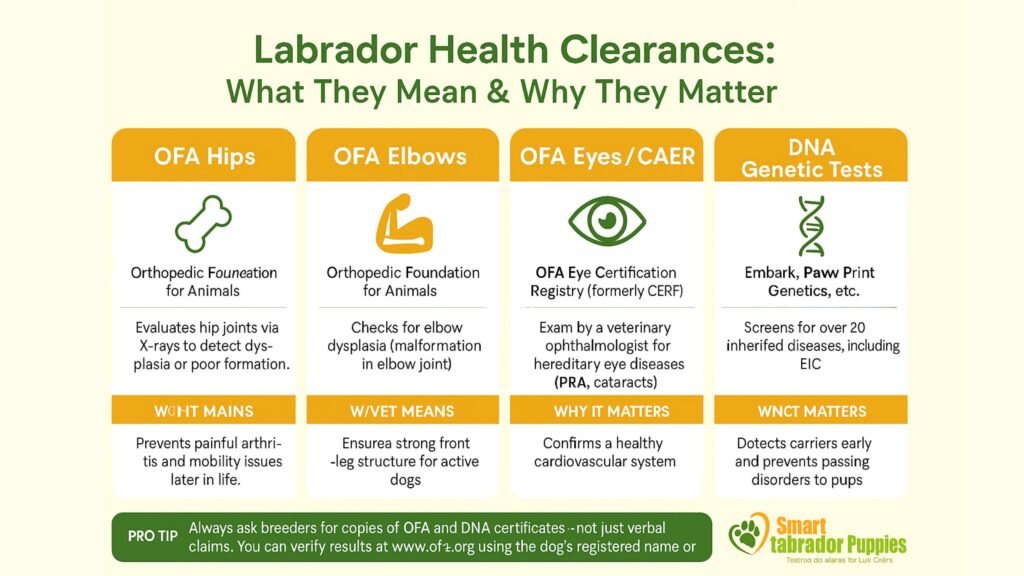
- OFA Certifications: For hips and elbows, ensuring structural soundness (ratings: Fair, Good, or Excellent).
- ACVO/CERF Eye Examinations: Current examinations by a board-certified veterinary ophthalmologist to rule out inherited eye conditions.
- Genetic Testing: Routinely performed for conditions such as:
- Exercise-Induced Collapse (EIC)
- Progressive Retinal Atrophy (PRA)
- Centronuclear Myopathy (CNM)
- Hereditary Nasal Parakeratosis (HNPK)
Reputable breeders will not only perform these crucial tests but will also readily provide verifiable documentation for all clearances, often including public OFA numbers, demonstrating their unwavering commitment to Labrador health.
Temperament and Socialization: Cultivating Well-Adjusted Puppies
- Stimulating Environment: Puppies are raised in a stimulating home environment, ensuring early exposure to a variety of sights, sounds, textures, and human interactions from a very young age.
- Structured Socialization: Many ethical breeders implement structured early puppy socialization protocols, such as “Puppy Culture,” which are crucial for developing confident, resilient, and well-adjusted adult dogs.
This meticulous approach to early development is a key criterion for responsible breeding.
Breeding Practices: Responsible Litter Management and Age Guidelines
- Age for Breeding: Female dogs are typically not bred before reaching two years of age, allowing for full physical maturity and the completion of all necessary health clearances.
- Breeding Cessation: They generally cease breeding their dams after 6-8 years, recognizing the physical toll that breeding takes.
- Rest Periods: Ethical breeders ensure adequate rest periods between litters, often skipping a heat cycle, to prevent physical burnout and maintain the dam’s optimal health and vitality. This practice prevents overbreeding and ensures each litter receives the dam’s full attention and resources.
Environment and Care: A Window into the Breeder’s Home
- Home Environment: Raise their puppies in a clean, safe, and stimulating home environment, integrating them into daily family life rather than housing them in isolated kennels or outdoor facilities. This ensures constant human interaction and exposure to typical household noises, which significantly aids in socialization.
- Proper Nutrition: Puppies receive proper nutrition tailored for growth.
- Veterinary Care: Age-appropriate veterinary care, including initial vaccinations and deworming.
- Consistent Interaction: Consistent human interaction, all fostering their physical and emotional development.
This nurturing start is foundational for a well-adjusted adult dog.
Red Flags to Watch Out For: Identifying Unethical Breeders
The Dangers of Puppy Mills and High-Volume Operations
- Unsanitary, overcrowded conditions.
- Minimal veterinary care and inadequate nutrition.
- A severe lack of socialization.
Breeding dogs are often treated as mere production machines, living in deplorable circumstances. Puppies from these environments are highly susceptible to:
- Severe health problems (both physical and genetic, due to indiscriminate breeding).
- Significant behavioral issues resulting from their traumatic early experiences.
Supporting a puppy mill, even unknowingly, perpetuates a cycle of cruelty.

Understanding Backyard Breeders and Their Pitfalls
- Lack of Health Clearances: Breeding dogs without performing necessary health clearances, leading to a higher likelihood of puppies inheriting genetic diseases like hip dysplasia or eye conditions.
- Inadequate Care: Frequently failing to provide adequate socialization, veterinary care, or a suitable environment for the puppies.
- Poor Outcomes: Often resulting in poorly adjusted or unhealthy dogs.
While their motivations might be innocent—perhaps simply wanting to experience a litter or make some extra money—the lack of expertise and resources can have devastating consequences for the puppies.
Warning Signs: Lack of Transparency, Pressure Tactics, and Poor Conditions
- Lack of Access: Unwillingness to show you the parent dogs (especially the mother) or the actual breeding facility.
- Missing Documentation: Inability to provide verifiable health documentation for the parents.
- Multiple Breeds: Offering multiple breeds of puppies.
- Early Sales: Selling puppies younger than 8 weeks of age (a crucial period for early socialization with their littermates).
- High-Pressure Sales: Employing high-pressure sales tactics.
- Cash Only: Demanding immediate cash payment without a contract.
- Poor Conditions: Maintaining unsanitary or unsafe living conditions for their dogs.
- Evasiveness: Any breeder who seems evasive, rushes the process, or doesn’t ask you questions about your home and lifestyle.
These are common indicators of unethical practices or potential puppy scams and should be avoided.

Where to Begin Your Search for an Ethical Breeder
National and Local Labrador Retriever Breed Clubs
- The Labrador Retriever Club, Inc. (LRC, Inc.): The official AKC parent club, an invaluable resource providing lists of member breeders who adhere to a strict code of ethics.
- Local Labrador Retriever Clubs: Often maintain breeder directories and can provide referrals to reputable members in your area. These clubs are excellent for finding local Labrador breeders who are deeply committed to the breed’s health and welfare, often participating in dog sports, conformation, or community events.
Reputable Online Breeder Directories and Resources
- AKC Marketplace: A reputable online resource that lists breeders who comply with AKC regulations and often adhere to higher standards. It’s a good place to begin your search, but always remember that AKC registration alone does not guarantee ethical practices; it serves as a starting point for further investigation.
- Avoid General Pet Sales Websites: It is crucial to avoid general pet sales websites or classifieds, such as Craigslist or Kijiji, which are often frequented by unethical breeders and puppy mills.
Veterinarian Referrals and Word-of-Mouth Recommendations
- Veterinarian Referrals: Many veterinarians are familiar with reputable local breeders and can offer valuable recommendations based on their professional experience with healthy, well-socialized puppies. They often witness the results of both good and bad breeding practices firsthand.
- Personal Recommendations: From trusted dog owners who have had positive experiences with a breeder can be an excellent starting point.
However, even with a referral, it is always essential to conduct your own thorough research and verification, as individual experiences can vary and breeder standards can evolve over time.
Essential Questions to Ask Potential Chocolate Labrador Breeders
Health Testing Documentation for Parents (OFA, CERF, EIC, PRA, CNM, HNPK)
- OFA Numbers: For hip and elbow clearances (ratings should be Fair, Good, or Excellent).
- ACVO/CERF Eye Clearances: Current clearances, typically performed annually.
- Genetic Test Results: For common Labrador genetic diseases such as EIC (Exercise-Induced Collapse), PRA (Progressive Retinal Atrophy), CNM (Centronuclear Myopathy), and HNPK (Hereditary Nasal Parakeratosis).
These results should be verifiable on public databases such as OFA.org. A breeder who hesitates or cannot provide these specific documents and verifiable numbers is a significant red flag. A thorough understanding of these health clearances is vital for your puppy’s future well-being.
Breeding Philosophy and Puppy Rearing Practices
- Breeding Goals: Inquire about their overarching goals for their breeding program – are they focusing on health, temperament, conformation, working ability, or a combination?
- Socialization Protocols: Ask detailed questions about their puppy socialization protocols, including what types of enrichment they provide (e.g., exposure to different sounds, textures, people, and other animals).
- Feeding Regimen: Understand their feeding regimen for both the puppies and the dam.
A truly responsible breeder will have a clear, thoughtful approach to raising their litters, demonstrating their dedication to producing well-rounded dogs.
Guarantees, Contracts, and Return Policies
- Puppy Health Guarantee: Typically covering genetic conditions for a specified period (e.g., 24-36 months). Understand precisely what the guarantee covers and the terms for a replacement puppy or a partial refund if a covered condition arises.
- Spay/Neuter Agreement: If the puppy is sold with limited registration.
- Return Clause: Crucially, an ethical breeder’s contract will include a clause stating that the dog must be returned to the breeder if the owner can no longer care for it at any point in its life. This demonstrates their lifelong commitment to their dogs and ensures their puppies never end up in shelters or rescues.
References from Previous Puppy Buyers and Veterinarians
- Previous Puppy Buyers: This allows prospective owners to independently verify the breeder’s reputation, the health and temperament of their dogs, and the quality of their breeding practices. Speaking with past clients can offer invaluable insights.
- Primary Veterinarian: A breeder who has a strong, long-standing relationship with their vet and is comfortable sharing this information is a strong indicator of responsible care and transparency.
Visiting the Breeder: Essential Observations
Assessing the Facility: Cleanliness and Safety
- Cleanliness: It should be impeccably clean, well-maintained, and safe for both adult dogs and puppies. There should be no strong, unpleasant odors.
- Space and Resources: Puppies should have ample space to play and explore, clean bedding, and constant access to fresh water.
- Environment Control: Look for signs of proper ventilation and temperature control.
A clean and organized facility indicates a high standard of care and attention to detail, crucial for preventing illness and promoting healthy development. Avoid any facility that resembles a sterile kennel but lacks the warmth and stimulation of a home environment.
Meeting the Parent Dogs: Temperament and Health
- Temperaments: They should be friendly, well-socialized, and calm, not overly shy, fearful, or aggressive. The temperament of the parent dogs is a strong predictor of the puppies’ potential disposition.
- Physical Health: Look for good body condition, clear eyes, clean ears, and a healthy, shiny coat. The parents should appear well-cared for and happy.
A breeder who is reluctant to let you meet the dam or who keeps her isolated is a significant red flag.
Observing the Puppies: Behavior, Health, and Socialization
- Behavior: They should be curious, playful, and responsive to human interaction, not cowering or overly timid.
- Physical Health: Physically, they should have clear, bright eyes, clean ears, no nasal discharge, and healthy, shiny coats. Their bellies should not be distended (a potential sign of worms), and they should move freely without limping.
- Interactions: Watch how they interact with their littermates and with the breeder. A stimulating puppy environment will encourage healthy development.
Avoid puppies that appear lethargic, overly shy, fearful, or aggressive, as these can be signs of health or socialization issues that could lead to long-term problems.
Understanding the Breeder’s Post-Adoption Support System
A truly responsible breeder offers lifelong support to their puppy buyers. During your visit, discuss what kind of support they provide post-adoption:
- They should be a readily available resource for answering questions and providing guidance on training, health, and behavioral concerns throughout the dog’s life.
This ongoing support is a hallmark of a committed and ethical breeder, demonstrating their investment in the well-being of every puppy they produce. They should view themselves as a partner in your puppy’s journey, not merely a seller.
Understanding Contracts, Guarantees, and Ongoing Support
Reviewing the Purchase Agreement and Health Guarantee
- Puppy’s Health Status: At the time of sale, including vaccination and deworming records.
- Comprehensive Health Guarantee: Typically covers specific genetic conditions prevalent in Labradors for a defined period, often 24 to 36 months. Understand precisely what the guarantee covers and the terms for a replacement puppy or a partial refund if a covered condition arises.
- Responsibilities: The agreement should also specify the responsibilities of both the buyer and the breeder, ensuring transparency and accountability.
Spay/Neuter Agreements and Limited Registration
- Spay/Neuter Contract: A common contractual clause, requiring the owner to spay or neuter the puppy by a certain age (typically between 6-18 months, depending on the breeder’s philosophy and veterinary advice).
This reinforces responsible pet ownership and ensures that puppies sold as companions are not used for breeding, further supporting the breeder’s efforts to improve the breed.
The Breeder’s Role in Your Puppy’s Lifelong Journey
- Lifelong Resource: They remain a valuable resource and mentor for the puppy’s entire life, welcoming updates and offering advice on training, nutrition, and behavioral issues. This continuous breeder support is invaluable, especially for first-time dog owners.
- Return Clause: Critically, ethical breeders often include a clause in their contract stating that if an owner can no longer keep the dog at any point, for any reason, it must be returned to the breeder. This ensures the dog never ends up in a shelter or rescue, demonstrating the breeder’s profound and lifelong responsibility for the animals they bring into the world.
The Adoption Process and Preparing for Your New Puppy
Application and Interview Process
Ethical breeders typically implement a thorough Labrador puppy adoption process that includes an application and interview. This isn’t meant to be an interrogation but rather a careful vetting process. It allows the breeder to learn about:
- Your lifestyle and living situation.
- Your experience with dogs.
- What you’re looking for in a companion.
This process ensures their puppies are placed in suitable, loving, and permanent homes. Be prepared to answer questions about your family, work schedule, yard, and previous pet ownership. This rigorous process demonstrates the breeder’s deep commitment to the welfare and future of their dogs, ensuring a good match.
Selecting Your Puppy: Temperament Matching
- Observe each puppy’s individual personality, energy level, and response to stimuli over several weeks.
- Match a puppy’s temperament to your lifestyle, family dynamics, and experience level. For example, a high-energy puppy might be best suited for an active family, while a calmer puppy might thrive in a quieter home.
Trusting the breeder’s expertise in this area is crucial for ensuring a harmonious and successful long-term relationship with your new companion.
Preparing Your Home for a Chocolate Labrador Puppy
- Essential Supplies: Acquiring an appropriately sized crate, high-quality puppy food recommended by the breeder, food and water bowls, a variety of safe toys, a leash, and a collar with identification tags.
- Puppy-Proofing: Removing any hazardous items, securing loose cords, and blocking off areas where the puppy shouldn’t go.
- Establishing Routine: Establishing a consistent routine for feeding, potty breaks, and sleep before the puppy’s arrival helps facilitate a smooth transition and promotes early training.
Having everything ready for bringing your puppy home will make the first few days much easier and more enjoyable.

Conclusion: Making an Informed and Ethical Choice
The Long-Term Benefits of Choosing a Responsible Breeder
- Healthier, Well-Adjusted Dog: You are far more likely to welcome a healthier, well-adjusted dog into your home, which translates to fewer unexpected veterinary bills, reduced behavioral challenges, and a more fulfilling and joyful companionship for many years.
- Solid Foundation: A puppy from an ethical breeder comes with a solid foundation of good genetics, early socialization, and ongoing support, providing peace of mind and fostering a stronger bond.
- Supports Responsible Practices: This choice directly supports responsible animal husbandry and contributes to the overall health and integrity of the Labrador Retriever breed.
Your Role in Supporting Ethical Breeding Practices
- Discourages Unethical Operations: Your decision actively discourages the proliferation of puppy mills and backyard breeding operations, which often prioritize profit over the well-being of animals.
- Promotes High Standards: Every ethical puppy purchase sends a clear message that responsible practices are valued and demanded. This informed choice promotes and upholds the highest standards of care, contributing positively to the future of the Labrador Retriever breed and ensuring that these wonderful dogs continue to thrive for generations to come.
Make your choice count for the welfare of your future companion and the entire canine community.
Frequently Asked Questions
What defines an ethical Chocolate Labrador breeder?
Ethical breeders prioritize the health, temperament, and genetic soundness of their dogs. They conduct extensive health clearances (OFA, CERF, genetic testing for EIC, PRA, CNM, HNPK), raise puppies in a stimulating home environment with early socialization, and follow responsible breeding practices regarding age and litter frequency.
What specific health concerns should I be aware of with Chocolate Labradors?
Chocolate Labradors may have a slightly higher predisposition to ear infections and skin allergies. Like all Labradors, they are susceptible to hip and elbow dysplasia, inherited eye conditions (like PRA), and Exercise-Induced Collapse (EIC). Ethical breeders will be transparent about these risks and actively work to minimize them through health clearances.
What are the red flags to watch out for when identifying unethical Chocolate Lab breeders?
Red flags include breeders unwilling to show parent dogs or their facility, lacking verifiable health documentation for parents, selling puppies under 8 weeks old, operating in unsanitary conditions, or using high-pressure sales tactics. Avoid puppy mills and backyard breeders who lack knowledge of genetics and proper care.
Where is the best place to start my search for an ethical Chocolate Lab breeder?
Start your search with national and local Labrador Retriever breed clubs, such as The Labrador Retriever Club, Inc., which provide lists of ethical member breeders. Reputable online resources like AKC Marketplace can also be a starting point, and veterinarian referrals or trusted personal recommendations are valuable.
What essential questions should I ask a potential Chocolate Lab breeder?
Ask for verifiable health documentation for both parents, including OFA numbers for hips/elbows, current eye clearances, and genetic test results for EIC, PRA, CNM, and HNPK. Inquire about their breeding philosophy, puppy socialization practices, health guarantees, and return policies. Also, ask for references from previous puppy buyers and their veterinarian.